Session Agenda

Filters

Tracks
Experience

Mon Mar 29

8:00 - 7:00 PM (CST)

Registration Desk Open

Monday, March 29 8:00–7:00 PM

12:30 - 1:00 PM (CST)

New Attendee Orientation

Is this your first time at the Rx Summit, or are you a returning attendee looking to optimize your time at the conference? Join us for an informational session on getting the most out of your Rx Summit experience, including navigating the event venues, accessing conference information, selecting sessions, visiting special features onsite, and exploring the exhibit hall. Sponsored By: Deterra

Presenter

Monday, March 29 12:30–1:00 PM
Advisory Board

Doug Edwards

MBA
Senior Vice President
HMP Education

Douglas J. Edwards is the director of the HMP Global Psychiatry and Behavioral Health Learning Network, the behavioral healthcare field’s largest media and event producer. Its signature events include Rx and Illicit Drug Summit, Psych Congress, Symposia on Addiction Disorders, and Treatment Center Investment & Valuation Retreats. He has been serving the behavioral healthcare community since 2000, and previously served as editor-in-chief of Behavioral Healthcare and Addiction Professional magazines. Edwards has moderated high-level panel discussions at conferences across the country with VIPs such as members of Congress and the White House. He earned an MBA from Franklin University and his undergraduate degree in English and Sociology from the University of Akron.

1:15 - 2:30 PM (CST)

Prescription Stimulants: Balancing Access, Preventing Diversion, and Protecting Public Health and Safety

Session Description: Prescription stimulant medications are essential for treating ADHD and other legitimate medical conditions, but increasing concerns about diversion, fraudulent prescribing, misuse, and criminal exploitation present complex challenges. Addressing these issues requires protecting patient access while reducing opportunities for diversion. This session examines the evolving prescription stimulant landscape through a federal policy and public health lens. Participants will explore prescribing and diversion trends, the role of telemedicine, and current federal efforts to support responsible prescribing while addressing unlawful activity. Using current data, regulatory developments, and real-world case examples, the presentation highlights how healthcare providers, regulators, public health agencies, and law enforcement contribute to a coordinated response. Attendees will leave with practical insights into emerging risks, responsible prescribing, and the federal framework for preserving legitimate access while preventing diversion.

Presenter

Monday, March 29 1:15–2:30 PM
1.25 Credits
Public Safety
Faculty

Melissa Kellstrom

Legislative/Diversion Policy Analyst
U.S. Drug Enforcement Administration

Melissa Kellstrom joined the DEA in 2009 and currently serves as a
Legislative/Diversion Policy Analyst within the Diversion Control Division. She is a
principal advisor to the Deputy Assistant Administrator of the Policy Office on
legislative, regulatory, and policy matters related to controlled substances and
diversion control equities under the Controlled Substances Act.
Prior to her current role, she served as a Congressional Liaison within DEA’s Office
of Congressional and Public Affairs and was detailed to the Senate Drug Caucus to
work on legislation related to the Controlled Substances Act. She graduated from the
University of Maryland.

Faculty

Katie Laughery

Deputy Assistant Administrator
Drug Enforcement Administration

Mrs. Katie Laughery serves as the Deputy Assistant Administrator for the Office of
Diversion Control Policy at the Drug Enforcement Administration (DEA), where she
provides executive leadership on national policy issues affecting the regulation and
oversight of controlled substances.
Mrs. Laughery’s previous roles in DEA include serving as the Business Operations
Chief for DEA’s Rocky Mountain Field Division, the Chief Policy Advisor for the
Diversion Control Division, and, the Chief of the Office of Congressional Affairs.
Mrs. Laughery began her DEA career as a Drug Science Specialist in the Quota and
UN Reporting Unit. Prior to joining DEA, she served as a Department of the Army
chemist and forensic drug analyst, and as a research chemist at The Johns Hopkins
University.
She has more than 20 years of federal service, is a U.S. Army veteran and former
Combat Medic, and holds degrees from the University of Virginia, Johns Hopkins
University, and Liberty University.

Beyond the Overdose: Building a Comprehensive Continuum of Care to Prevent the Next Fatality

Session Description: Many overdose response initiatives focus on the individual who overdosed. Cumberland County, New Jersey, is expanding that approach by asking a different question: Who else is at immediate risk, and how can we help prevent the next overdose before it occurs? This presentation highlights an innovative evolution of Operation Helping Hand that extends beyond traditional post-overdose outreach to build a comprehensive, community-wide continuum of care. Drawing from overdose fatality review findings, ODMAP data, and law enforcement experience, Cumberland County has identified several overlooked opportunities to reduce overdose deaths. Attendees will learn how the County is developing and implementing strategies to: Provide long-term grief and bereavement support for families following overdose fatalities. Conduct proactive outreach to co-users and close associates of overdose victims-individuals at exceptionally high risk of experiencing the next overdose. Identify and intensively engage individuals experiencing multiple overdoses using ODMAP and other data-driven approaches. Strengthen jail-to-community recovery transitions through coordinated reentry planning and continuity of care. Expand culturally responsive outreach and recovery services for Hispanic residents. Integrate behavioral health crisis response teams into overdose response for individuals experiencing co-occurring mental illness and substance use disorders. Rather than viewing overdoses as isolated events, Cumberland County treats every overdose as an opportunity to intervene across an individual's family, social network, and recovery ecosystem. Participants will leave with practical strategies, partnership models, and implementation ideas that can be adapted within their own jurisdictions to strengthen overdose prevention efforts and reduce overdose fatalities.

Presenter

Monday, March 29 1:15–2:30 PM
1.25 Credits
Prevention
Faculty

Ashleigh Huff

County Municipal Alliance Coordinator/Administrative Recovery Support Services Coordinator
Cumberland County Human Services, Capital Recovery Center

Ashleigh Huff serves as the County Municipal Alliance Coordinator and Administrative Recovery Support Services Coordinator for Cumberland County Human Services, where she works to strengthen community-based prevention, recovery, and substance use disorder support initiatives. In this role, she supports collaborative efforts among community partners, prevention coalitions, recovery organizations, and service providers to expand access to resources and promote healthier communities.

As Administrative Recovery Support Services Coordinator for Cumberland County’s Capital Recovery Center, Ms. Huff plays a key role in supporting recovery-oriented services and connecting individuals and families impacted by substance use disorders to peer-based resources, recovery supports, and community connections. She is also a Certified Peer Recovery Specialist, bringing both professional expertise and a person-centered approach to helping individuals navigate pathways to recovery.

Ms. Huff has extensive experience supporting prevention and recovery initiatives, including coordinating Municipal Alliance efforts focused on reducing substance use through education, community engagement, and strategic partnerships. Her work reflects a commitment to building recovery-ready communities through collaboration, accessibility, and meaningful connections between individuals, families, and supportive services.

Through her work in Cumberland County, Ms. Huff contributes to a comprehensive continuum of care that recognizes the importance of prevention, harm reduction, recovery support, and community partnerships in addressing the substance use crisis.

Faculty

Tracy Swan

MPA; MA in CJ
Lead-Community Justice Unit & Public Safety Reform Strategist
Cumberland County Prosecutor's Office

As Public Safety Reform Strategist and Lead of the Cumberland County Prosecutor’s Office Community Justice Unit, Tracy Swan works to reimagine public safety through a public health approach that addresses the underlying factors contributing to substance use, overdose, behavioral health crises, and justice system involvement. She leads the development and implementation of innovative prevention, intervention, diversion, and recovery-focused initiatives designed to strengthen collaboration among law enforcement, healthcare providers, behavioral health professionals, community organizations, and individuals impacted by substance use and/or mental health disorders.

Ms. Swan oversees several public safety initiatives focused on substance use and behavioral health, including Cumberland County’s Operation Helping Hand overdose response efforts, mental health and substance use arrest deflection and court diversion programs, jail reentry initiatives, and cross-system partnerships designed to improve access to treatment and recovery supports. She works closely with law enforcement, hospitals, treatment providers, peer recovery organizations, and community stakeholders to identify gaps in services and develop data-driven solutions to reduce overdose fatalities, improve continuity of care, and enhance community wellness.

Since joining the Prosecutor’s Office in 2021, Ms. Swan has written 11 grants resulting in 8 awards totaling nearly $3.7 million, with additional applications pending totaling approximately $2 million. These awards have supported initiatives addressing substance use, behavioral health, violence prevention, diversion, and community-based interventions.

Prior to joining the Prosecutor’s Office, Ms. Swan spent 17 years at the think & do” tank, Rand Institute for Public Affairs at Rutgers University–Camden, where she led Strategic Initiatives focused on public safety research, program evaluation, technical assistance, and capacity building. During this time, she secured more than $4.5 million in funding to support innovative public safety initiatives throughout South Jersey and assisted Cumberland County in securing multiple federal awards totaling nearly $2.6 million.

Faculty

Michael Williams

CADC, NCPRSS,
Peer Recovery Coach Supervisor
Cumberland County Human Services, Capital Recovery Center, First Step Clinic

Michael L. Williams, Jr. is a passionate recovery advocate, peer leader, motivational speaker, and community champion dedicated to helping individuals and families impacted by substance use disorders, incarceration, and life challenges discover pathways to healing, purpose, and long-term recovery.

As a leader with the Capital Recovery Center in Bridgeton, New Jersey, Mr. Williams supports recovery-oriented services and works to connect individuals with resources, peer support, and community-based recovery opportunities. He brings a unique perspective to this work as someone who has personally experienced addiction, homelessness, and the challenges associated with rebuilding a life in recovery. His lived experience fuels his commitment to providing hope, encouragement, and practical guidance to others seeking transformation.

Mr. Williams is also the founder of the Minor Adjustments Program, an initiative focused on helping individuals affected by addiction and justice involvement recognize their potential, overcome barriers, and create positive life changes. Through mentoring, education, and personal storytelling, he works to demonstrate that recovery and successful reintegration into the community are possible.

In addition to his community-based recovery work, Mr. Williams serves as Regional Director (New Jersey) for NAADAC, the Association for Addiction Professionals, supporting efforts to advance education, advocacy, professional development, and quality services within the addiction treatment field.

Through his advocacy, peer leadership, and commitment to second chances, Mr. Williams continues to inspire individuals, strengthen recovery communities, and promote the belief that a person’s past does not define their future.

The Age of Escape - How Dopamine, Avoidance, and Modern Coping Culture Are Rewiring Addiction and Recovery

Session Description: We are living in an unprecedented Age of Escape, where substances, screens, social media, gaming, gambling, shopping, food, emotional intoxication, and endless digital distractions compete for the same reward pathways in the brain. While these experiences differ in form, they often serve a common purpose: helping individuals avoid discomfort and seek temporary relief. The challenge facing modern recovery is no longer simply helping people stop using substances. Increasingly, recovery professionals are helping individuals recognize and address patterns of escape that contribute to emotional avoidance, disconnection, and compulsive behavior. Addiction is often less about pursuing pleasure and more about escaping pain. Stress, anxiety, shame, loneliness, boredom, trauma, uncertainty, and emotional discomfort can drive individuals toward behaviors that provide immediate relief but create long-term consequences. What begins as coping can evolve into a cycle of avoidance that strengthens addiction while weakening resilience. Fortunately, the brain remains remarkably adaptable. Through neuroplasticity, self-awareness, self-compassion, healthy relationships, recovery skills, and meaningful experiences, individuals can strengthen new neural pathways that support healing and growth. Built upon both hope and science, modern recovery involves more than abstinence. It requires learning how to stay present during discomfort, tolerate emotions, develop healthy coping strategies, and build a life worth living. The goal is not simply to stop escaping addiction, but to create a future that no longer feels like something to escape from.

Presenter

Monday, March 29 1:15–2:30 PM
1.25 Credits
Recovery Support
Faculty

Frances Patterson

PhD, LADAC II, MAC, DAC, QCS
Owner
Footprints Consulting Services, LLC

Dr. Patterson has conducted professional training locally, statewide and nationally for over 30 years on a variety of topics in addictions, mental health and professional counseling issues. She has extensive experience as a trainer and is skilled in training development.
Dr. Patterson is past chair of NAADAC’s clinical issues committee and past ethics committee member. She served 4 years as SE regional Vice President, is a member of the NAADAC Trainers Academy, and is a trainer for “Trainings by NAADAC”. She received the Middle TN Association of Alcohol and Drug Counselors (MTAADAC) Professional of the year award in 2004 and the MTAADAC and TAADAC Lifetime Achievement Awards in 2005. Dr. Patterson received the Mel Schulstad award, NAADAC’s national Professional of the Year award in 2006.

Faculty

Kristen Robinson

LADAC II, QCS
Vice President
ETAADAC

Kristen Robinson received the Recovery Services Award from in 2023 by the City of Knoxville and the Metropolitan Drug Commission. Kristen was nominated for the ETAADAC Counselor of the Year Award (Catherine S. Scarlett Award) in 2015, 2016, and received the award in 2019. She received ETAADAC Counselor of the Year Award (Catherine S. Scarlett Award) and TAADAC Counselor of the Year for The State of Tennessee in 2025.
Kristen is currently the President Elect for ETAADAC and the President of the Community Coalition at Metropolitan Drug Coalition. She has presented at conferences, trainings, and webinars both locally and nationally.

2:45 - 4:00 PM (CST)

Barrier Analysis: A Tool for Uncovering Critical Prevention Opportunities

Session Description: Prevention professionals are tasked with influencing health behaviors before patterns of substance use become entrenched. But they often lack a clear, evidence-based roadmap for how to identify what truly drives or deters those behaviors. That's why we've adopted and refined a qualitative and quantitative research approach to systematically uncover the real factors influencing behavior. Our Barrier Analysis is grounded in Theory of Reasoned Action and the Health Belief Model, and offers an effective way to uncover the behavioral determinants that shape decision-making.This session will demonstrate how Barrier Analysis can be applied as a prevention tool to distinguish between perceived and actual drivers of behavior, enabling more effective early interventions. We will present a case study of our partnership with a government agency working to reduce youth vaping and nicotine use by targeting the upstream misperceptions and reinforcing beliefs that influence exploration and increase risk of long-term dependence. Using Barrier Analysis, we segmented youth into three groups: those who've quit vaping/nicotine, (doers), those attempting or considering quitting (partial-doers), and those not interested in quitting (non-doers). Findings uncovered a critical prevention opportunity: many youth perceived vaping as a coping mechanism for stress and anxiety, without recognizing that it exacerbates these conditions. By identifying and addressing this misperception early, prevention messaging can intervene before initiation and escalation.

Presenter

Monday, March 29 2:45–4:00 PM
1.25 Credits
Prevention
Faculty

Stephanie Gonthier

M.A.
President
Market Street Research

Stephanie is president of Market Street Research, a research agency invested in delivering customized, high-quality research services to healthcare systems, governments, and agencies as well as organizations in finance, non-profit, and education that care about making informed decisions. With over 25 years’ experience in market research, Stephanie excels at designing strategies and leading a cross-functional team to provide the insights clients need. Her work experience spans multiple industries and includes labor relations, not-for-profit management, and leading organizational change. This breadth of experience adds depth to research findings and recommendations, resulting in highly insightful, actionable research results.

Effective Advocacy: Working through the Congress, Courts, and the Executive Branch to Advance Effective Addiction Policies

Session Description: This session will present practical tools advocates can use to advance evidence-based responses to addiction and substance use disorder in their communities. As federal policy continues to evolve, including ongoing changes to the Substance Abuse and Mental Health Services Administration (SAMHSA), shifting federal civil rights enforcement priorities, and implementation of significant Medicaid policy changes, communities face both challenges and opportunities to expand access to care. Presenters will discuss bipartisan legislative efforts to increase access to evidence-based addiction treatment; litigation aimed at protecting the rights of people with substance use disorder; and advocacy strategies to ensure that implementation of Medicaid community engagement requirements and other eligibility policies does not create barriers to treatment and recovery. The session will also highlight opportunities for collaboration among advocates, policymakers, healthcare providers, and litigators to promote equitable access to care. Attendees will leave with an updated understanding of the federal policy landscape, recent developments in courts across the country, and practical tools they can use to work with advocates, lawmakers, and legal partners to advance effective, evidence-based policies that improve access to treatment and recovery services in their own communities.

Presenter

Monday, March 29 2:45–4:00 PM
1.25 Credits
Advocacy
Faculty

Libby Jones

M.Sc.
Associate Vice President
Global Health Advocacy Incubator

Libby Jones is the associate vice president of GHAI’s Overdose Prevention Initiative. Libby leads the Initiative’s advocacy efforts, advancing federal policies that will reduce the overdose death rate in the United States. Libby has written and spoken on overdose prevention policy on Capitol Hill, at national conferences, and in the press, including op-eds, podcast appearances, and media interviews. Prior to joining GHAI, Libby served as government relations officer at the Pew Charitable Trusts’ substance use prevention and treatment initiative, as well as holding various positions in U.S. federal agencies, including the Food and Drug Administration, Economic Development Administration, and the U.S. Department of Justice. She holds a MSc in human rights from the London School of Economics and a BA in government from the College of William and Mary.

Faculty

Regina LaBelle

JD
Professor, Director
Georgetown University

Regina LaBelle is a Professor at Georgetown University’s School of Health, where she founded and directs the Master of Science in Addiction Policy and Practice program. She is also a distinguished scholar and the Director of the Center on Addiction Policy at the O’Neill Institute at Georgetown Law. A veteran of two presidential administrations, Regina served as Acting Director of the White House Office of National Drug Control Policy (ONDCP) during the first year of the Biden Administration and as Chief of Staff at ONDCP under President Obama. In these roles, she was instrumental in managing the federal response to the overdose epidemic and implementing the National Drug Control Strategy.

An accomplished author and commentator, her work has been featured in the Journal of Addiction Medicine and The New York Times, and she frequently appears as an expert on CNN, MSNBC, and the BBC. She holds a J.D. from Georgetown University Law Center and currently serves on the National Advisory Council on Drug Abuse at the NIH.

Faculty

Joseph Longley

JD
Staff Attorney
ACLU Disability Rights Program

Joseph Longley is a Staff Attorney at the ACLU Disability Rights Program. There, he focuses on advancing the rights of people with substance use disorder, including access to medications for opioid use disorder throughout society. He was previously Senior Advisor at the Office of National Drug Control Policy, Project Director at the O'Neill Institute, and an Equal Justice Works Fellow at the ACLU National Prison Project. Joseph received a B.A. from The Ohio State University and a J.D. from Harvard Law School. He clerked for the Honorable Roy W. McLeese on the D.C. Court of Appeals.

The Whole Wound: Suicide Prevention, Postvention, and Systemic Impact

Session Description: Suicide prevention in clinical practice often focuses intensely on acute crisis management and individual risk assessment. However, the systemic impact of suicide-spanning from the neurobiology of an acute crisis to the complex grief experienced by loss survivors and providers-requires a broader, more integrated therapeutic approach. This 90-minute interactive workshop equips mental health professionals and organizational leaders with the comprehensive tools needed to navigate both the prevention of suicide and the critical aftermath of a loss. Moving beyond the limitations of standard risk assessment checklists, the session first guides clinicians in developing collaborative clinical formulations and sustainable safety plans. Next, drawing upon the framework of the American Foundation for Suicide Prevention's Resource and Healing Guide, the workshop explores "postvention as prevention." Through targeted case study analysis, participants will examine the unique contours of suicide bereavement, the indicators of complicated grief, and the profound ripple effect a loss has on systems. The workshop concludes with an open strategy discussion addressing the unspoken challenges of clinical work, including navigating professional liability, fears, managing secondary traumatic stress, and building robust support systems.

Presenter

Monday, March 29 2:45–4:00 PM
1.25 Credits
Clinical
Faculty

Philip Hemphill, PhD

PhD, LCSW
Chief Clinical Officer
All Points North Lodge

Dr. Philip Hemphill is the Chief Clinical Officer at All Points North. He’s practiced as a clinician, manager, consultant, executive leader, and board member for the past 30 years. He’s considered a thought leader in the behavioral health/addiction industry and has developed premier national programs for the evaluation, treatment, and monitoring of professionals with these needs. He has been the lead person for innovation and implementation for patient care services, policies and procedures, recruitment of talent, and fidelity measures. He’s pioneered some of the assessment and treatment of licensed professionals with co-occurring disorders and co-authored a book with Marty Martin, PhD in 2013 entitled, Taming Disruptive Behavior published by American Association for Physician Leadership Press. His second book Integrated Care in Addiction Treatment (2022) , is published by Routledge Press. Currently, he’s an editor for Frontiers in Public Health: SUD and Behavioral Addictions.
He has taught at Tulane University and LSU Health Sciences, Department of Psychiatry for the past 25 years. He received his master and doctoral degrees from Tulane University, School of Social Work.

Faculty

Michael Simms

LCSW, LAC, NMIT, CSAT, CIFST, ADS
Chief Operating Officer
All Points North

Michael Simms, LCSW, LAC, CSAT, CIFST, ADS, is the Chief Operating Officer at All Points North and a behavioral health leader whose career has been dedicated to mental health, addiction treatment, trauma recovery, and integrative care. Throughout his career, he has worked across the full continuum of care in roles including therapist, clinical director, executive director, and chief clinical officer, bringing both clinical depth and operational leadership to complex treatment environments.

Michael earned his Master of Social Work from Metropolitan State University of Denver and holds credentials in clinical social work, addictions counseling, sex addiction treatment, Internal Family Systems, Acudetox, and natural medicine facilitation in Colorado. His work is shaped by both professional expertise and lived experience in recovery, which continues to inform his commitment to compassionate, high-quality care.

He is especially passionate about trauma-informed treatment, innovative care models, and helping clients move beyond symptom management to achieve meaningful, lasting healing. Michael’s clinical interests include addiction recovery, trauma, process addictions, integrative approaches, and treatment models that support deeper self-understanding and sustainable change.

Transforming Families Through Deflection: Hamilton County’s Family Support Initiatives

Session Description: In 2017, Hamilton County experienced a devastating 570 overdose deaths. By 2025, the county achieved a remarkable 51% decrease, thanks largely to the strategic, deflection-focused programming spearheaded by the Hamilton County Office of Addiction Response and Heroin Task Force. This milestone reflects the power of cross-sector planning, collaboration, and innovative approaches to combating the overdose crisis. In 2023 the Hamilton County Heroin Task Force introduced an Overdose Fatality Review Liaison Task Force Officer to conduct next-of-kin interviews. These interviews inform overdose fatality reviews, providing actionable recommendations to enhance the county's continuum of care for individuals and families impacted by substance use disorder. In 2025, Hamilton County launched a groundbreaking family support pilot program funded by a STATE COSSUP Grant Award. This initiative established a dedicated unit within the Hamilton County Quick Response Teams (QRT), comprising a family support officer, navigator, and counselor. The QRT defines deflection as any intervention that defects individuals from the criminal justice system and into care, while also ensuring that families are not left behind. The program employs a two-pronged approach: supporting families of individuals actively battling addiction and offering grief support to those who have lost loved ones to overdose or substance use. This session will explore the development, implementation, and outcomes of Hamilton County's family support initiatives, highlighting best practices and lessons learned. Attendees will gain insights into how deflection programming can transform communities and foster comprehensive support systems for both individuals and their families.

Presenter

Monday, March 29 2:45–4:00 PM
1.25 Credits
Public Safety
Faculty

Sarah Beckman

Care & Training Liaison
Hamilton County Quick Response Team

Sarah Beckman is the Care and Training Liaison for the Hamilton County Quick Response Team where she develops and delivers training programs to strengthen the community’s response to critical challenges such as substance use, mental health, housing instability, and other social determinants of health. Beckman is also a key contributor to the newly launched family support initiative, which aims to provide resources and assistance to families navigating substance use disorder and grief. Drawing on her lived experience, natural empathy, and hard-earned skills, Beckman is deeply passionate about helping others in the community achieve the fulfilling lives they deserve. Outside of her professional work, she enjoys hiking, nurturing her extension collection of plants, spending time with family and friends, and attending live music events.

Faculty

Nan Franks

Family Support Counselor
Hamilton County Quick Response Team

Nan Franks, LPCC, LICDC-CS, GAMB, has over 40 years of experience in community and behavioral health. She is also part of the newly launched family support initiative through HC QRT. Her work centers on the impact of addictive illness on individuals, families and communities. Outside her practice, Nan enjoys writing, exploring nature, and spending time with her horse, Speranza, and her dog Bones

Faculty

Peggy Schneider

AS
Overdose Fatality Review Liaison Task Force Officer
Hamilton County Heroin Task Force

As the Overdose Fatality Review Investigative Liaison, I have the unique opportunity to build a connection between the Hamilton County Heroin Task Force, Hamilton County Public Health Department and family members who have lost loved ones to the opioid epidemic.
The Heroin Task Force's mission is to work backwards to identify and prosecute drug suppliers who have provided drugs that led to a fatal overdose. My mission as the Investigative Liaison is to gather information and assist family members in dealing with their loss while directing them into the proper continuum of care as they move forward. This partnership with Public Health and the Overdose Fatality Review seeks to reduce the number of fatal overdoses and provide families with a level of care that they deserve.

4:15 - 5:30 PM (CST)

Opening Plenary

Hear directly from influential policymakers during this timely plenary session exploring the intersection of healthcare, legislation, and public policy. Congressional leaders and experts will discuss current priorities, recent developments, and future directions shaping national health initiatives and reform efforts. Gain firsthand insights into how policy decisions impact practitioners, patients, and the broader healthcare system, and engage with perspectives that drive meaningful change across the field.
Monday, March 29 4:15–5:30 PM

5:30 - 7:00 PM (CST)

Opening Reception in Exhibit Hall & Poster Session

Sponsored By: Recovery.com
Monday, March 29 5:30–7:00 PM
Room Ryman Hall A

5:45 - 6:45 PM (CST)

Open Meeting

Individuals can come together to support one another in their journey in recovery. All are welcome to attend.
Monday, March 29 5:45–6:45 PM

Tue Mar 30

7:00 - 5:45 PM (CST)

Registration Desk Open

Tuesday, March 30 7:00–5:45 PM

7:30 - 8:45 AM (CST)

Personal, Social, and Health Profiles of Victims of Drug-Related Deaths in New York City: Insights from Next-of-Kin Interviews (2017-2021)

Session Description: New York City (NYC) has experienced alarming increases in drug overdose deaths since 2015. In response to this crisis, the NYC Office of Chief Medical Examiner began conducting interviews with next-of-kin (NOK) of suspected overdose decedents to supplement overdose fatality reviews, support death investigations, and inform partner agencies' programmatic initiatives (e.g., public health, public safety). Forensic social workers conducted interviews with NOK between 2017-2021 regarding decedents' social background, health, and substance use histories, generating a large, novel dataset. We conducted qualitative thematic analysis of these narratives (n=749), generating >500 codes, and stratified analyses by decedent demographic characteristics. These analyses resulted in four overarching themes: 1) the challenging context of social determinants of health (SDoH) for decedents, 2) patterns in familial support and/or estrangement, 3) extensive history of mental and physical health conditions, and 4) negative emotional status and circumstances around their time of death. This session will share the methods used in analyzing this unique dataset, the strengths and limitations of using NOK interviews as a data source, and the thematic outcomes of our analysis. Topics included in this discussion will range from housing characteristics, employment histories, and engagement with social services to decedents' emotional states around the times of their deaths and how this may relate to SDoH. Further, we will explore what factors may have demonstrated positive and/or negative impacts on decedents' substance use histories through these themes. This session will consider the results of this research to inform specific actionable outcomes that may be applied to addressing the overdose crisis. We will also share how these data may be used locally to inform ongoing overdose prevention efforts by OCME and partners in NYC.

Presenter

Tuesday, March 30 7:30–8:45 AM
1.25 Credits
Prevention
Faculty

Megan Brown

MPH
Data Manager
NYC Office of Chief Medical Examiner

Megan Brown is the Data Manager for the Drug Intelligence and Intervention Group at the New York City Office of the Chief Medical Examiner. Megan graduated with honors from New York University with an MPH in Epidemiology and received her BA in English Literature from the University of Washington. Megan’s public health practice is informed by the social and institutional impacts of health, harm reduction, and destigmatizing drug use. She loves to read nonfiction and is a decent home cook.

Faculty

Dari Goldman

MPH
Research Assistant
CUNY Graduate School of Public Health and Health Policy

Dari Goldman is a public health professional with over five years of experience leading global and domestic health initiatives focused on health equity, access to care, and reproductive health. She holds a Master of Public Health from the CUNY Graduate School of Public Health & Health Policy, where she specialized in maternal, child, reproductive, and sexual health. Her work spans program implementation, qualitative and quantitative research, and stakeholder engagement across diverse settings, including Puerto Rico, Israel/Palestine, and underserved communities in the U.S. Dari has supported hospitals, health departments, and public health agencies through health inclusion assessments, community needs assessments, and strategy development. She brings a strong foundation in data analysis, policy translation, and cross-cultural collaboration, with a growing focus on health systems improvement.

Faculty

Ansley Hobbs

MPH
Research Assistant
CUNY SPH

Ansley Hobbs is a public health researcher and survey methodologist with experience in qualitative, quantitative, and mixed methodology research in both international and domestic settings. She is currently a PhD student studying Community Health and Health Policy.

Ansley serves as a mental health navigator with Harlem Strong and a research assistant to Dr. Diana Romero on several projects related to substance use, child welfare, and reproductive health services. Ansley previously worked at the Center for Immigrant, Refugee, and Global Health, where she oversaw the development and implementation of priority tools and resources designed for migrant-serving organizations in New York City and State. Prior to this, she coordinated knowledge management and strategic communications for the USAID-funded Health Evaluation and Applied Research Development (HEARD) Project, a global partnership designed to generate and synthesize evidence to improve policy implementation. Anlsey has diverse research interests, including immigration policies and their impact on migrant health; violence prevention; maternal, child, and reproductive health; and equitable service and health care access for vulnerable populations. She holds an MPH from the City University of New York's Graduate School of Public Health and Health Policy. She received her BS in Health Education and Behavior from the University of Florida, with a minor in Organizational Leadership for Nonprofits.

Faculty

Diana Romero

PhD, MA
Professor
CUNY Graduate School of Public Health and Health Policy

Diana Romero is Professor in the Department of Community Health and Social Sciences and director of the Maternal, Child, Reproductive and Sexual Health specialization (MCRSH) at the CUNY Graduate School of Public Health and Health Policy in New York City. Her research interests include reproductive and sexual health and policy; social welfare policies related to the health of poor and low-income populations; and health care access among underserved urban populations. Much of her research involves mixed-methods study designs. Some of her recent projects focused on reproductive health services in primary care settings; health care access among immigrants in NYC; a large-scale mixed-methods evaluation of a physician training for abortion advocacy and other reproductive health issues; analysis of OCME social autopsy narratives of decedents from accidental overdose; and, Delphi studies on a range of public health issues.

Dr. Romero serves on the NYC Department of Health advisory board for the CDC Pregnancy Risk Assessment Monitoring System (PRAMS), has served on the U.S. FDA Obstetrics and Gynecological Devices Advisory Panel, and on the Board of Directors of several non-profit research and advocacy organizations addressing reproduction, gender and health. She teaches graduate courses in quantitative and qualitative research methods, community health, and reproductive and sexual health policy. She received her PhD and MA in Sociomedical Sciences from Columbia University, NY, and an MA in Scientific, Health and Environmental Reporting from New York University.

Beyond Police-Only Responses: Building Police–Community Partnerships for the Evolving Opioid Crisis

Session Description: Over the past decade, law enforcement agencies have played a central role in developing and implementing critical life-saving interventions to address the opioid crisis, especially in response to the rapid escalation of fentanyl-related overdoses beginning in 2013. These innovations include responding to 911 overdose calls, carrying naloxone, conducting post-overdose outreach, and creating police-facilitated pathways to treatment and recovery support, often referred to as deflection. These efforts have saved lives and helped move the field beyond arrest-only responses. This session will examine how police-community partnerships can be strengthened by expanding the role of public health agencies, recovery coaches and peers, mobile outreach programs, families, and other nongovernmental partners in engagement, treatment entry, follow-up after overdose, and reentry support. The session will focus on where community partners can step in and share responsibilities that too often fall by default to law enforcement, while also highlighting the critical roles for police that must be maintained. Panelists will draw on lessons learned from police overdose response, implementation science, and practical experience with deflection and community-based engagement models. The session will identify what makes police-community collaborations effective, sustainable, and scalable; why scalable replication of successful programs often struggle; and how training, coaching, leadership support, and clearer role definition can improve implementation. Policy changes at the federal, state, and local level will be discussed. Attendees will leave with practical takeaways for expanding deflection pathways, strengthening treatment and recovery supports across justice settings, improving low-threshold engagement with people who use drugs, and building partnerships that allow police, public health, and community organizations to operate in the roles where each can be most effective.

Presenter

Tuesday, March 30 7:30–8:45 AM
1.25 Credits
Public Safety
Faculty

Richard Baum

M.A., M.P.A.
Author / Professor / Former ONDCP Acting Director
Georgetown University McCourt School of Public Policy

Richard J. Baum served at the White House Office of National Drug Control Policy (ONDCP) for 28 years across six presidential administrations. From March 2017 to February 2018, he was the Acting Director of ONDCP. In that role, he oversaw the United States’ over $40 billion federal drug control budget, coordinated the government-wide response to drug policy challenges, and concurrently served as Executive Director of President Trump’s Commission on Combating Drug Addiction and the Opioid Crisis.

Mr. Baum led the development of major strategic policy documents, including six editions of the National Drug Control Strategy. Mr. Baum is an Adjunct Professor at Georgetown University’s McCourt School of Public Policy and author of Inside America’s Opioid Crisis: 12 Hard Lessons for Today’s Drug War, published by Bloomsbury in February 2026. His website is at RichardJBaum.com.

He has delivered numerous keynote addresses and presentations at national forums, including at the Rx and Illicit Drug Summit, the National Association of Drug Court Professionals (All Rise) Training Conference, the National Sheriffs’ Association, the International Association of Chiefs of Police, the RTI Policing Symposium, the Police Executive Research Forum, the Cocaine, Meth, and Stimulant Summit, and the Police, Treatment, and Community Collaborative (PTACC) Training Summit. He served as a featured speaker at the Smart Approaches to Marijuana/Foundation for Drug Policy Solutions Summit in 2026. His book was featured in a 2026 AEI Policy Discussion, and he has appeared on numerous podcasts this year.

Later this year he will speak at All Rise, NAADAC, the NCSL Legislative Summit, and participate in the National Safety Council video series.
Raised in New York City, Mr. Baum now lives in Falls Church, Virginia, with his wife, Linda Bloss-Baum. They have two adult children.

Faculty

Mark Elliott

M.A.
Director, CHJ's National Deflection TA Center
TASC

Mark is the Director for CHJ’s National Deflection TA Center, part of the BJA’s Comprehensive Opioid, Stimulant, and Substance Use Program (COSSUP). He directs a team administering technical assistance for deflection initiatives. The team provides assistance for communities exploring, starting, and operating deflection and pre-arrest diversion programs.

Mark retired from law enforcement in 2024 after serving for over 33 years, including 8 years as police chief. Mark was instrumental in starting a drug treatment court and in bringing deflection to his communities. He led a law enforcement-assisted deflection program integrating all six pathways, along with a court diversion program.

Mark holds a Master's in Organizational Leadership and a Bachelor's in Criminal Justice from St. Mary’s University of Minnesota. He is a graduate of Northwestern University's School of Police Staff and Command Class 258 and holds professional certificates in criminal justice leadership.

Faculty

Bradley Ray

PhD
Senior Researcher
RTI International

Bradley Ray, PhD is a Senior Researcher at RTI International. His research focuses on overdose prevention and the intersection of behavioral health and criminal-legal systems.

Power of Plasticity: Paving New Neural Pathways for Sustained Recovery

Session Description: Addiction rewires the brain, and recovery must rewire it back. Yet most recovery support systems are designed around compliance and monitoring rather than the neuroscience of change. This session translates the research on neuroplasticity, habit formation, and craving into concrete design principles for recovery support services, including peer programs, recovery housing, continuing care, and community-based supports. Participants will examine how repetition, reward, environment, and relationship each shape neural pathways, and why some program structures accelerate durable change while others inadvertently reinforce old patterns. Case examples illustrate how plasticity-informed adjustments improve retention and long-term outcomes without increasing program cost. Attendees will leave with a practical framework for evaluating their own programs against the science of brain change, plus specific, low-cost modifications that help participants build the new pathways that sustained recovery requires.

Presenter

Tuesday, March 30 7:30–8:45 AM
1.25 Credits
Clinical
Faculty

Ken Martz

Psy.D., MBA
Psychologist
Pennsylvania Association of Addictions Professionals A NAADAC Affiliate

Dr. Kenneth Martz is a licensed psychologist, author, and international speaker specializing in emotional management and anxiety, particularly among high-performing professionals.
With more than 30 years of experience in mental health and addiction treatment, he has worked across outpatient, residential, and hospital settings and previously served as Special Assistant to the Secretary for the Pennsylvania Department of Drug and Alcohol Programs.
Dr. Martz is the author of several books including the international bestseller Manage My Emotions, and he has delivered more than 100 presentations around the world on emotional resilience, leadership psychology, and addiction recovery. His work has been featured on TIME, NPR, CBS, NBC, and Business Insider.

Best Practices for Recovery Housing

Session Description: Recovery housing is critical in helping many with substance use disorder achieve long-term recovery. Learn how ASAM criteria now includes recovery housing, what SAMHSA identifies as the eleven Best Practices for Recovery Housing and why they matter.

Presenter

Tuesday, March 30 7:30–8:45 AM
1.25 Credits
Recovery Support
Faculty

Curt Lindsley

BA, FBSS,
Executive Director
Alabama Alliance for Recovery Residences

Curt Lindsley has over 20 years experience in leading nonprofit organizations.

In 2019, Curt Lindsley co-founded Best Life Recovery Residences, a recovery residence program for women in Huntsville, Alabama. Then in 2021, Curt helped to lead the effort as Board President for the Alabama Alliance for Recovery Residences to become accredited by the National Alliance for Recovery Residences to certify recovery residences in Alabama based on the NARR Standards. Curt later became Executive Director of AARR in 2023.

Curt represents the state of Alabama as a consultant for the Opioid Response Network; serves on Alabama's Reentry 2030 Task Force; is Founder and Director of Alabama Recovery Advocacy Day and Montgomery Recovers; serves as Co-Founder of End Addiction Sand Mountain and Calhoun County Recovers; serves on the Alabama Opioid Overdose and Addiction Council as a member of the Treatment and Recovery and Law Enforcement Committees; is a Board Member for the Alabama School of Alcohol and Drug Studies (ASADS); serves on the Leadership Council for the Southeast Addiction Recovery Coalition; and serves on the Board of Governors for the American Addiction Recovery Association.

In addition, Curt is Co-Chairman for the NARR Faith-Based Community of Practice, that was just launched in 2026.

Curt was the recipient of the first ever Ally of Recovery Award, presented in March 2025 at the 10th Annual Certified Recovery Support Specialist Conference Awards in Gadsden, Alabama.

Curt regularly speaks at conferences, and is a passionate advocate for the NARR Standards and the difference that quality recovery residences can make in helping people find long-term recovery. He proactively collaborates with other recovery organizations, stakeholders and state and national agencies to work on common sense solutions to address substance use disorder and our nation’s opioid crisis.

8:55 - 10:20 AM (CST)

Morning Plenary

Join us for the Rx Summit Congressional Panel, a conference tradition in which federal law makers share how they are addressing addiction at the national and local level.
Tuesday, March 30 8:55–10:20 AM

10:30 - 11:45 AM (CST)

Recovery Friendly Workplaces: A Call to Action

Session Description: Work-life balance, career growth and purpose, and health benefits. These are the traditional aspects workplaces promote to attract top candidates. The next workplace revolution, the adoption of recovery friendly workplace policies, has already begun to broaden the playing field on which employers compete to attract the best workers, and has the potential to reshape workplaces nationwide. Addiction is the only disease where you end up healthier and better when in recovery. America celebrates the more than 22 million people in recovery who are role models and sources of hope and tangible demonstrations that treatment works and recovery is possible from the chronic disease of addiction. In 2025, more than 30 million American adults with a substance use disorder (SUD) were employed and, of those, nearly 80 percent worked full-time. More and more employers are realizing the untapped potential and benefit of hiring people in recovery. The Trump Administration has prioritized the adoption of Recovery Friendly Workplace (RFW) policies in its National Drug Control Strategy, and is encouraging employers nationwide to join this call to action. In this session you will hear from the Office of National Drug Control Policy; the Substance Abuse and Mental Health Services Administration; the National Drug and Alcohol Screening Association; and Shaw Industries, a recovery-friendly workplace, on why and how to implement recovery friendly workplaces.

Presenter

Tuesday, March 30 10:30–11:45 AM
1.25 Credits
Recovery Support
Advisory Board

Peter Gaumond

AM
Senior Policy Analyst
White House Office of National Drug Control Policy

Peter has over 30 years’ experience in the substance use disorder treatment and recovery field. He joined the Office of National Drug Control (ONDCP) in October 2010 as the Chief of the Recovery Branch and currently serves as a Senior Policy Analyst contributing to the development and implementation of federal drug demand reduction policy. In this capacity, Peter provides expertise on a wide range of public health policy and regulatory issues, including peer services, peer-led organizational infrastructure, employment for people in recovery, and strategies for building recovery capital at the organizational and community levels. Peter helps develop the National Drug Control Strategy and leads cross-agency efforts to accomplish the governmentwide policy goals and objectives it establishes. Peter led efforts to develop the Recovery-Ready Workplace Resource Hub, an online repository of resources for employers, state and local governments hosted by the U.S. Department of Labor and the Recovery-Ready Workplace Toolkit, which is available through the hub. He also provided input into the development of the Recovery-Ready Workplaces Model State Act.

Prior to joining ONDCP, Peter served as a senior associate at Altarum Institute and at Abt Associates Inc. where he provided technical assistance to states and tribes and the federal government. Earlier, he served as in leadership roles in state government; as a program director, family educator, and counselor in the addiction treatment field; as an English and French instructor; and, as a Peace Corps Volunteer in Burkina-Faso, West Africa.

As a person in long-term recovery from addiction to alcohol, Peter works to raise awareness of addiction and recovery and to reduce the stigma and misunderstanding that contribute to social exclusion.

Peter holds master’s degree from the Crown Family School of Social Work, Policy, and Practice at the University of Chicago and a BA in English from Marquette University. He also studied at the Université de Paris V (Académie Rene Descartes) and at the Université de Paris IV (La Sorbonne). He is the immediate past President of the Crown Family School Alumni Association Board.

Advisory Board

Christopher Jones

PharmD, DrPH, MPH
Director, Center for Substance Abuse Prevention (CSAP), Acting Director, CBHSQ
Substance Abuse and Mental Health Services Administration (SAMHSA)

Christopher M. Jones, Pharm.D., Dr.P.H., M.P.H. (RDML U.S. Public Health Service) currently serves as Director of the Center for Substance Abuse Prevention (CSAP), acting Director of the Center for Behavioral Health Statistics and Quality, and Chief Science and Program Officer at the Substance Abuse and Mental Health Services Administration. RDML Jones brings a wealth of experience to SAMHSA having led substance use, mental health, and injury prevention policy, program, and research activities for more than a decade. Prior to becoming Director of CSAP, RDML Jones served as the director of the National Center for Injury Prevention and Control at the Centers for Disease Control and Prevention. During his career, RDML Jones has served in multiple leadership roles in the U.S. Department of Health and Human Services (HHS). RDML Jones maintains an active research portfolio and has authored more than 200 peer-reviewed publications on substance use, mental health, and injury prevention.

Faculty

Nikki Sharp

Vice President of Associate Wellbeing and Total Rewards
Shaw Industries Group, Inc.

Nikki Sharp is the VP of Associate Wellbeing at Shaw Industries. Shaw is a global flooring company with 17k+ associates and is headquartered in Dalton, GA. Nikki has been at Shaw for 21 years. She has experience creating an innovative strategy for corporate health and wellness Total Rewards, while keeping a key focus on Associate Experience. Known for building innovative, data-driven behavioral health, global benefits, and workforce development initiatives across multi-country environments, Nikki is a trusted advisor to executive leadership and a recognized voice in national recovery and workplace wellbeing initiatives. She contributed to the White House Recovery-Ready Workplace initiative, led Shaw Industries Group, Inc. to become a nationally-certified Recovery Friendly Workplace, and is a frequent speaker on workforce wellbeing and recovery strategies.

Nikki also sponsors and leads the Behavioral Health strategy at Shaw to increase awareness, implement resources, and drive culture change to remove the stigma around behavioral health. She serves on the Advisory Council for the Recovery Friendly Workplace Institute and in partnership with The White House and the ONDCP.

Nikki has a passion for people and wants to cultivate a healthy culture and environment for associates to bring their whole selves to work.

Faculty

Eliza Zarka

Program Director
National Recovery Friendly Workplace Institute

Eliza Zarka is a national leader in advancing Recovery Friendly Workplace (RFW) initiatives and workforce-based approaches to substance use disorder. As Program Director of the National Recovery Friendly Workplace Institute, she leads efforts to expand Recovery Friendly Workplace models nationwide, working with employers, state leaders, nonprofit organizations, and federal partners to implement recovery-supportive policies and practices. In her role, Eliza oversees national employer certification efforts, supports the development of state and local RFW initiatives, and helps operationalize the federal Recovery-Ready Workplace Toolkit hosted by the U.S. Department of Labor.

Prior to her work with the Institute, Eliza served as Addiction & Behavioral Health Coordinator for the New Hampshire Governor’s Office, where she worked on issues across the continuum of substance use disorder, including prevention, treatment, recovery, and the intersection of mental health. There, she contributed to the growth of New Hampshire’s Recovery Friendly Workplace initiative – the first of its kind in the nation.

Eliza is recognized for her collaborative leadership style, strategic partnership development, and commitment to reducing stigma and strengthening workplace culture through recovery-inclusive practices. She regularly coordinates national webinars, stakeholder convenings, and cross-sector collaborations focused on workforce wellbeing and recovery support. Through her work, she has helped position employers as critical partners in addressing substance use disorder and advancing long-term recovery outcomes nationwide.

Eliza’s overall goal, professionally and personally, is to help people be well, get well, and stay well.

Before, During, and After Reentry: Children and Families Impacted by Addiction, Parental Incarceration, and the Faith Communities That Walk the Whole Road

Session Description: More than 2.7 million children in the United States have a parent behind bars, and the majority of justice-involved parents have a substance use disorder. Yet reentry systems typically meet the family only at the moment of release, as if the family's story begins there. In reality, children and families live three distinct chapters: the before, marked by parental addiction, instability, and often trauma, sometimes involving both parents; the during, shaped by separation, stigma, ambiguous loss, and disrupted caregiving; and the after, when a returning parent navigates supervision, housing, work, and sustaining recovery, while reunification asks a child to rebuild trust and the whole family, including the caregiving parent, renegotiates every role and routine. Each chapter carries distinct risks and opportunities that most systems miss. This session maps all three phases, then makes the case for a resource present in nearly every community and uniquely suited to walking alongside families across the full arc: faith communities, whose presence, trust, and longevity outlast any program cycle. The presenters bring lived experience, deep personal faith, and decades of professional expertise spanning child welfare, behavioral health, addiction and recovery, reentry, and faith-and-community partnership. Attendees will leave with a practical, replicable framework for engaging faith communities as continuous family-support infrastructure, including both a partnership framework and practical, ready-to-use resources: an evidence-informed program kit for supporting children, trainings that equip faith leaders, faith-based organizations, and communities to respond, available funding pathways, and ground-level strategies for building the relationships that put these tools to work.

Presenter

Tuesday, March 30 10:30–11:45 AM
1.25 Credits
Advocacy
Advisory Board

Monty Burks

Phd, CPRS
Director
United States Department of Health and Human Services

Dr. Burks serves as Director of the Center for Faith at the U.S. Department of Health and Human Services (HHS), where he leads national efforts to strengthen partnerships between government, faith-based organizations, and community leaders to improve the health and well-being of individuals, families, and communities across America.

Before joining HHS, Dr. Burks served as Deputy Director of the Tennessee Governor's Faith-Based and Community Initiative and previously as Director of Faith-Based Initiatives for the Tennessee Department of Mental Health and Substance Abuse Services. Throughout his career, he has been recognized for building innovative collaborations that unite government agencies, nonprofit organizations, and faith communities to address addiction recovery, mental health, reentry, disaster response, foster care, and community resilience.

A nationally recognized speaker, strategist, and advocate for second chances, Dr. Burks brings both professional expertise and lived experience to his work. Having overcome addiction, incarceration, and significant personal adversity, he has dedicated his life to helping others discover purpose, restoration, and hope. His testimony has become a powerful example of redemption in action and informs his leadership at every level.

Dr. Burks holds a Doctor of Theology, a master's degree in Criminal Justice Administration, and a bachelor's degree in Criminal Justice Administration with minors in Sociology and Psychology. He has also served as an adjunct professor of criminal justice and remains committed to developing future leaders through mentorship and education.

Outside of public service, Dr. Burks is a Brazilian Jiu-Jitsu black belt, former professional mixed martial arts champion, author, and thought leader on faith, leadership, recovery, and human flourishing. His work continues to demonstrate that lasting transformation occurs when faith, public service, and community partnerships come together to create pathways of hope and opportunity.

Faculty

Stacee Read

BA, MSW, LSW
Director; National Trainer; Tribal Liaison
National Association for Children of Addiction

Stacee Read, MSW, LSW, is a nationally recognized leader with over 25 years of experience across child welfare, mental health, and prevention, treatment, and recovery systems. Her work focuses on strengthening responses to familial substance use and reducing addiction's impact on children, families, and communities. As Director of the National Association for Children of Addiction (NACoA), she collaborates with Tribes, communities, faith leaders, and cross-cultural partners to build multidisciplinary systems of care through training, program development, and policy guidance that advance evidence-informed, trauma-informed, and culturally responsive practices. She leads NACoA's Faith Leaders Institute on Substance Use in Families, which equips faith leaders, faith-based organizations, and communities to recognize and respond to children and families impacted by addiction.

A sought-after speaker, Stacee has trained thousands of professionals on addiction and recovery, trauma-informed strategies, early intervention, and cross-sector collaboration, with a particular passion for equipping and lifting up the child welfare workforce.

She is also the founder of Bison Strong, LLC, a training and coaching practice rooted in strength, hope, resilience, and cultural wisdom. Stacee holds an MSW from the University of Illinois and a BA in Psychology from the University of Iowa, and is committed to sustainable solutions that uplift children, families, and Tribal nations.

Faculty

Dr. Belay Reddick

Executive Director
Everyday Solace Foundation

Rev. Dr. Belay D. Reddick is the Executive Director at the Everyday Solace Foundation, where he spearheads initiatives at the intersection of behavioral health and the justice system. With nearly two decades of lived experience, he is dedicated to transforming care paradigms, reducing recidivism, and improving outcomes for justice-involved individuals.

Fentanyl Prevention in the Age of Misinformation: How Virginia Paired Teen Survey Data with Trusted Creators

Session Description: Teens are drowning in AI-generated content and dramatic headlines, and they have responded by trusting almost nothing they see online. For fentanyl prevention, that skepticism is both the barrier and the opportunity. The Virginia Foundation for Healthy Youth (VFHY) built the latest phase of its Deadly Dose campaign on central insights from its statewide Fentanyl Facts Survey of 699 Virginia teens: young people don't want to be scared or lectured. They want verifiable facts so they can decide for themselves. The survey revealed exactly which facts were missing. Fewer than half of teens knew what fentanyl is, only 44% said they would call 911 during an overdose, and fewer than half had heard of naloxone. Rather than pushing those facts through traditional ads alone, VFHY recruited social media creators with Virginia teen audiences to deliver them. Each influencer selected survey-informed facts and translated them into short-form video in their own voice, across two message areas: "Real Talk," which builds credibility through verified facts, and "Protect Your People," which equips teens to respond to an overdose. Strict guardrails kept content honest and judgment-free: no scare tactics, no exaggeration, no depictions of use. This session walks through the full arc, from survey design to insight to influencer selection, and content guardrails. It will share campaign performance and evaluation results. Participants will leave with a replicable playbook for pairing local data with trusted messengers to not only reach the teens who scroll past everything else but to motivate them to take action.

Presenter

Tuesday, March 30 10:30–11:45 AM
1.25 Credits
Prevention
Faculty

Danny Saggese

MBA
Director of Marketing
Virginia Foundation for Healthy Youth

Daniel Saggese has been the Director of Marketing for the Virginia Foundation for Healthy Youth for nearly two decades, and is responsible for the marketing component of VFHY's prevention efforts. VFHY currently has numerous multi-media messaging campaigns authentically crafted for specific youth populations in Virginia to ensure that interventions appeal to unique youth segments most in need. Additionally, he has led the establishment and evolution of one of the premier youth engagement programs in the country. Daniel is an M.B.A. recipient from Robert Morris University in Pittsburgh, PA, and a graduate of Virginia Commonwealth University.

Faculty

Emily Wilkinson

MPH
Senior Account Manager
Rescue Agency

Emily Wilkinson is a trained behavior scientist with nearly a decade of experience in public health. She currently serves as a Senior Account Manager at Rescue Agency, where she oversees the implementation of substance use prevention campaigns in collaboration with state and local health organizations. Emily has worked with diverse audiences, including community, rural, and urban populations across various sectors such as non-profits, government, education, and healthcare. She earned her MPH from the Emory Rollins School of Public Health, a BS from the College of William and Mary, and is a Certified Health Education Specialist (CHES®).

11:45 - 1:15 PM (CST)

Lunch Break in Exhibit Hall

Tuesday, March 30 11:45–1:15 PM

11:45 - 5:00 PM (CST)

Exhibit Hall Open

Tuesday, March 30 11:45–5:00 PM

1:15 - 2:30 PM (CST)

Treatment of Justice Involved Populations: The Continuum of Care from Incarceration to Community

Session Description: The Alabama Department of Corrections (ADOC) currently houses 20,369 inmates (ADOC Annual Legislative Statistical Report 2024). The Alabama Bureau of Pardons and Paroles supervises 46,478(ABPP Annual Report 2024) justice involved individuals within the state of Alabama. Justice systems and Justice focused treatment providers face unique challenges in providing access to substance use treatment, the delivery of substance use treatment, the continuum of care, and the resources needed to support the recovery journey. This continuum provides an avenue for public health that results in public safety. A healthy community is a safe community. Substance Use Treatment, medically assisted treatment, and Medications for Opioid Use Disorder (MOUD) is vital to the health and wellbeing of incarcerated populations as well to the successful reentry of the justice involved population with identified substance use disorder. ADOC/ABPP has expanded resources to incorporate MOUD in the correctional and community supervision setting. The continuum of care from community supervision to incarceration and incarceration to community is key to the successful reintegration of our justice involved population. This replicable continuum model results in public safety throughout the communities we serve.

Presenter

Tuesday, March 30 1:15–2:30 PM
1.25 Credits
Public Safety
Faculty

Rebecca Bensema

APOST, MS Criminal Justice
Assistant Director of Reentry
Alabama Bureau of Pardons and Paroles

Officer Rebecca Bensema proudly serves the Bureau as Assistant Director for Reentry. In this role, she oversees all operations of Electronic Monitoring, Day Reporting Centers, Day Reporting Center Lite’s, the Residential Reentry Centers and other programs.
She began her career with this agency in September 2001 as a Probation and Parole Officer. She was promoted to Senior Probation and Parole Officer in December 2005. In September 2016, she was promoted to Probation and Parole Manager of Special Populations and Programs, followed by Director of Special Populations and Assistant Director of Reentry.

While working as a Senior Probation and Parole Officer, Bensema served as an instructor for a grant-funded project through Children’s Trust Fund of Alabama at the Dale County Resource Center from June 2013 until September 2016. She was an adult education instructor at Wallace Community College from February 2015 until September 2016.
Bensema is a member of the Reentry Commission, Chairman of the standing Law enforce Committee under the Governors Alabama OPIOID Overdose and Addiction Council and represents the Bureau on other committees that focus on support services for the justice involved population served by the Bureau.
Bensema graduated from Wallace Community College in 1998 with an Associate of Science Degree. In 1999, she graduated from Troy State University at Dothan with a Bachelor of Science Degree in Criminal Justice. Her education continued with post graduate studies at Troy University. In 2004, she graduated with her Master of Science Degree in Criminal Justice.

Faculty

Felicia Greer

Masters in Personnel Counseling; Licensed Bachelor Social Worker
Director of Mental Health Services
Alabama Department of Corrections

Felicia Greer currently serves as the Director of Mental Health Services for the Alabama Department of Corrections with the Office of Health Services. She oversees the management of the contracted mental health services provided to incarcerated individuals with a mental illness. Ms. Greer also manages the Substance Use Treatment services for outpatient and residential inmates. She is responsible for the administrative oversight that ensures mental health care is offered in a safe and therapeutic environment. Ms. Greer provides management of the ADOC Psychological Associates who provide services to individuals incarcerated within the facilities.
Prior to joining ADOC, she worked as a Medical Social Worker and Director of Social Services for a non-profit health care organization before becoming a Site Administrator at Julia Tutwiler Prison for Women. Ms. Greer has conducted facility train-the-trainer workshops, staff trainings, prepared for audit readiness, gender-responsive strategies and strategic planning among other areas.
Ms. Greer is a graduate of Troy State University, earning a Bachelor of Science in Social Work in August 1995. She holds a Master of Science in Personnel Counseling received in 2003 from Troy State University. Ms. Greers holds a license to practice social work in Alabama.
Ms. Greer’s professional interests include training and development, organizational leadership, and strategic planning.

Faculty

Kimberly Randolph

RN, BSN, MSCN, CCHP
Regional Reentry Coordinator
YesCare/Alabama Department of Corrections

Kim is a Registered Nurse with 26 years experience, 20 of those in correctional healthcare. She currently serves the Alabama Department of Corrections population as Regional Reentry Coordinator, providing resources to Alabama prisons to better prepare people to return to their communities. She is passionate about correctional healthcare and its role in the reentry journey.

Just Say Know! Safety First: A Comprehensive, Harm Reduction-Based, Drug Intervention Curriculum

Session Description: What if youth substance use prevention could move beyond "just say no" and equip young people with the knowledge and skills to make safer, healthier decisions? Developed by the Stanford REACH Lab, Safety First is an innovative, evidence-informed, 13-lesson curriculum that combines prevention, harm reduction, and trauma-informed practices to address cannabis, nicotine/e-cigarettes, alcohol, opioids and fentanyl, hallucinogens, and other drugs. In this highly interactive workshop, participants will explore the principles of harm reduction, examine common misconceptions about adolescent substance use, and experience engaging activities directly from the curriculum. Through small-group discussions and hands-on lesson demonstrations, attendees will discover practical strategies for facilitating honest, science-based conversations that resonate with today's youth while encouraging abstinence as the healthiest choice and providing risk-reduction guidance for students who are already experimenting or using. Participants will also receive a guided tour of the free, online Safety First curriculum and learn how to confidently implement its lessons in classrooms, prevention programs, healthcare settings, and community organizations. The curriculum incorporates media literacy, critical thinking, family engagement, and evidence-based instructional practices that empower youth to evaluate information, reduce risk, and make informed decisions. Attendees will leave with immediately applicable tools, adaptable teaching strategies, and access to free, ready-to-use resources that can strengthen youth prevention efforts and support healthier outcomes in schools and communities. Whether you are an educator, prevention specialist, healthcare professional, or community leader, this session will provide practical, evidence-based approaches you can begin using immediately.

Presenter

Tuesday, March 30 1:15–2:30 PM
1.25 Credits
Prevention
Faculty

Scott Gerbert

MHA
Director, Outreach and Strategic Partnerships
Stanford University School of Medicine, Pediatrics Dept. - REACH Lab

For 30+ years, Mr. Gerbert has been an educator, serving as a teacher, district administrator, and county administrator, leading schools, districts, and county-wide programs around tobacco and cannabis prevention and interventions, along with other health and wellness topics. He has been involved in tobacco prevention efforts in California since 1997 and has been the chair or co-chair for the Alameda County Tobacco Control Coalition for the last 9+ years, as well as being an active member of numerous Drug Free Community (DFC) coalitions. He is also a Director for Rotary International’s Health Education and Wellness Rotary Action Group (HEWRAG), engaging in global health education and wellness work. He joined the team at Stanford's REACH lab in 2022, working to find additional ways to empower and educate communities to combat the Triangulum of tobacco, vaping, and cannabis, along with other health disparities and health inequities. His work centers around improving health and wellness literacy and lifting up youth voice and agency, while decreasing health disparities and health inequities.

Faculty

Bonnie Halpern-Felsher

PhD
Professor
Stanford University School of Medicine

Dr. Bonnie Halpern-Felsher is the Marron and Mary Elizabeth Kendrick Professor in Pediatrics II in the Division of Adolescent Medicine, Department of Pediatrics, Stanford University. Dr. Halpern-Felsher is a developmental psychologist with additional training in adolescent and young adult health. She is the founder and executive director of her Stanford REACH Lab as well as several nationally and internationally used substance use education preventions and interventions. She is the receipient of the 2025 American Lung Association Outstanding Mother Award, that recognizes women who balance work and family and make a significant contribution to the mission of the American Lung Association. She was also the receipient of the 2025 Society for Research on Nicotine and Tobacco (SRNT) John Slade award, that recognizes individuals who’s research makes a significant impact on tobacco-related policy. Most recently, she received the 2026 Cullen Award from the American Society of Preventive Oncology. She is also a Past President of the Society for Adolescent Health and Medicine. Funded by the NIH and many foundations, her research has focused on understanding and reducing adolescent and young adult tobacco, marijuana, and other drug use. Her research including over 250 publications, committee, and advocacy work have been instrumental in setting policy at the local, state, and national level. She has served as a consultant to several community-based adolescent health promotion programs, participated in three Surgeon General Reports, participated in six National Academies of Science committees, and has been a member on several national campaigns and committees to understand and reduce adolescent and young adult drug use.

Beyond Fentanyls and Nitazenes: The Rapid Rise of Orphine-Type Opioids in the Illicit Drug Supply

Session Description: The landscape of novel synthetic opioids (NSOs) adapts rapidly to international regulatory interventions. Following China's class-wide scheduling of nitazene (2-benzylbenzimidazole) analogues in July 2025, the illicit drug supply experienced a significant structural shift. As dominant, high-potency nitazenes like metonitazene and protonitazene have declined, a new subclass of NSOs has emerged to fill the market void: colloquially known as "orphines", or scientifically as benzimidazol-2-one derivatives. The primary analogue among these is N-propionitrile chlorphine (aka cychlorphine), an ultra-potent opioid with an in vitro potency estimated to be roughly ten times greater than fentanyl. Through NPS Discovery, the CFSRE's U.S.-based drug early warning system utilizing high-resolution mass spectrometry and advances sophisticated methodologies to analyze forensic data, seized drug samples, and toxicology biospecimens, we have documented this rapid market pivot across North America from late 2025 into early 2026. Orphine-type novel opioids are increasingly identified, either as the only opioids or as standalone adulterants and co-mingled with fentanyl, directly contributing to severe adverse health events and fatal overdoses. Specifically, cychlorphine has been identified in at least 20 states and linked to more than 140 deaths. This presentation provides critical, timely intelligence on the proliferation, pharmacology, and geographic distribution of orphine-type opioids. Understanding this next wave of the opioid epidemic is vital for deploying proactive public health interventions, optimizing harm reduction strategies, and guiding law enforcement supply-control operations.

Presenter

Tuesday, March 30 1:15–2:30 PM
1.25 Credits
Illicit Drugs
Faculty

Alex Krotulski

PhD, MSFS, BS
Director - Toxicology & Chemistry
Center for Forensic Science Research and Education

Dr. Alex J. Krotulski serves as a Director at the Center for Forensic Science Research and Education (CFSRE) working in the areas of forensic toxicology and forensic chemistry and is the Program Manager for NPS Discovery, the CFSRE’s drug early warning system and flagship program for the identification and characterization of new and emerging synthetic drugs. Dr. Krotulski is a chemist by training and practices as a forensic toxicologist. Dr. Krotulski holds faculty appointment and serves as the Program Director for the Thomas Jefferson University Master of Science in Forensic Toxicology (MSFT) program and is an Senior Associate Editor for the Journal of Analytical Toxicology.

Faculty

Sara Walton

MS, BS
Forensic Toxicologist
Center for Forensic Science Research and Education

Sara Walton currently works at the CFSRE as a Forensic Toxicologist and the NPS Discovery Toxicology Lead. Her work primarily falls under NPS Discovery, the CFSRE’s program for the identification and dissemination of information regarding novel psychoactive substances. She focuses on the detection and characterization of these NPS through sample-mining and data-mining, as well as the confirmation of these NPS through method development and validation using LC-QTOF-MS and LC-QQQ-MS. She also works on characterizing these novel drugs by examining NPS trends and their metabolism and contributes to various other projects in clinical toxicology, postmortem toxicology, and drug material analysis.

3:00 - 3:45 PM (CST)

Vision Session (No CEs)

Tuesday, March 30 3:00–3:45 PM

Vision Session (No CEs)

Tuesday, March 30 3:00–3:45 PM

Vision Session (No CEs)

Tuesday, March 30 3:00–3:45 PM

Vision Session (No CEs)

Tuesday, March 30 3:00–3:45 PM

3:45 - 4:45 PM (CST)

Break in Exhibit Hall (Posters Open)

Sponsored By: Recovery.com
Tuesday, March 30 3:45–4:45 PM

4:45 - 6:15 PM (CST)

Evening Plenary

More Information Coming Soon.
Tuesday, March 30 4:45–6:15 PM

6:15 - 7:15 PM (CST)

Open Meeting

Individuals can come together to support one another in their journey in recovery. All are welcome to attend.
Tuesday, March 30 6:15–7:15 PM

Wed Mar 31

7:00 - 5:15 PM (CST)

Registration Desk Open- Wear Red in Support of Drug-Endangered Children

Each year at the Rx Summit we encourage attendees to wear red on the third day (March 31) to help raise awareness of drug-endangered children, in partnership with the National Alliance for Drug-Endangered Children.
Wednesday, March 31 7:00–5:15 PM

7:30 - 8:45 AM (CST)

Primary Prevention Trends: Policy Priorities, Frameworks, and Community Choice

Session Description: Primary prevention continues to evolve as community prevention organizations evaluate new models, emerging practices, and changing policy priorities. This session examines trends in substance use primary prevention, including budgetary constraints, promotion of proprietary prevention packages, and federal prevention policy and funding priorities. The speakers will present the U.S. Strategic Prevention Framework (SPF) and a widely publicized foreign prevention model as two process-oriented approaches to long-term, data-informed, community-based substance use prevention. They will describe the approaches' conceptual alignment across assessment, capacity, planning, implementation, and evaluation while identifying practical differences in cost, timeline, data collection, coalition breadth, and implementation flexibility. The session will also address how communities can employ coalitions to engage community institutions in three prevention strategies consistent with federal priorities: employers in Recovery Friendly Workplace initiatives, faith-based communities in youth-led activities, and law enforcement in age verification strategies and merchant education as an access-reduction strategy for alcohol, tobacco, and other retail-based mood altering products. Using both the Strategic Prevention Framework and a proprietary consulting-based prevention model as reference points, speakers will assess how each approach supports or constrains local decision-making based on coalition capacity, program inputs and design, and resource allocation. Participants will consider how fiscal and programmatic flexibility can allow communities to invest prevention dollars in local assets, such as prevention staff, data capacity, and evidence-based or experience-informed strategies. The session will conclude with practical takeaways for selecting, adapting, and sustaining primary prevention strategies, followed by Q&A.

Presenter

Wednesday, March 31 7:30–8:45 AM
1.25 Credits
Prevention
Faculty

Michael C. Barnes

JD
Managing Attorney
Sequel Health Law

Michael C. Barnes, Esq., is Managing Attorney at Sequel Health Law, where he practices health and drug law and policy. Mr. Barnes represents and advises commercial, professional, academic, and not-for-profit clients, and his practice covers the legislative, executive, and judicial branches of government. His subject matter experience covers a broad array of health care topics, including drug development and compounding, clinical practice, insurance coverage and payment, substance use and mental health, privacy, AI, digital health, health information exchange, and correctional health care. Mr. Barnes is also Chairman of the Center for U.S. Policy, a member of the advisory board for the Rx and Illicit Drug Summit, the board of directors for the Legislative Analysis and Public Policy Association, and the editorial board for the Journal of Opioid Management.

Faculty

Erin Jamieson Day

MPH, CPS
CEO
Community Impact NC

Erin Jamieson Day, MPH, CPS
Chief Executive Officer
Community Impact NC, Inc.

Erin Jamieson Day joined Community Impact NC in October of 2018 and is the Chief Executive Officer. She holds a Master of Public Health degree from UNC Chapel Hill, a B.S. in Business Administration, and a B.A. in Religion & Philosophy from Barton College.

Erin has almost 20 years experience in the field of addictions. She has over 10 years experience in leading a community prevention coalition and training communities to begin community level prevention efforts. Erin is a Certified Prevention Specialist (CPS) by the North Carolina Addictions Specialist Professional Practice Board. She currently serves on the board of the NC Prevention Providers Association, as Immediate Past-Chair of the NC Substance Use Disorder Federation, and Immediate Past-Chair of The Coalition, representing SUD, IDD, and MH professionals.

Her experience spans on the ground direct services provision to literature reviews and policy analysis. Erin is seasoned in best practice policy language, evidence informed and community based strategies to protect our most vulnerable populations.

Erin is a recovery ally and has experience loving someone with a substance use disorder. She has personally helped navigate the behavioral health system in NC and she is a founder of Wilson’s Recovery Community Center, RC3. Erin works to be informed of public resources, underground resources, and legislation that impacts our most vulnerable and those living with a substance use disorder.

From Dollars to Recovery: Using Opioid Settlement Funds to Build Community-Driven Solutions That Center Lived Experience

Session Description: State and local governments are receiving tens of billions of dollars in opioid settlement funds intended to address the overdose crisis and repair harms caused by opioid misuse. Yet a central question remains: how can this historic funding build sustainable, community-driven recovery ecosystems-and are people with lived and living experience shaping those decisions? This session will examine what national settlement tracking data reveal about recovery investments, transparency gaps, and opportunities to fund recovery-ready infrastructure across housing, employment, treatment, peer services, transportation, legal supports, family supports, and local governance. Presenters will connect national data from the opioid settlement tracking project led by KFF Health News in partnership with Shatterproof and Johns Hopkins University Bloomberg Overdose Prevention Initiative with practical models from states and communities that are advancing recovery in system-wide ways. The discussion will highlight recovery-ready community approaches, braided funding strategies, Recovery-Oriented Systems of Care, strong government-community partnerships, and the emerging National Framework for Recovery, a new federal-state-local effort led by Georgetown University, Shatterproof, Johns Hopkins, and Black Faces Black Voices to define, support, and scale recovery ecosystems across the country. Panelists will also discuss how people with lived and living experience can be meaningfully included in advisory bodies, grantmaking, implementation, and accountability efforts. Participants will leave with concrete models, tools, and policy ideas for assessing whether settlement investments are transparent, equitable, recovery-centered, and adaptable across political and geographic contexts.

Presenter

Wednesday, March 31 7:30–8:45 AM
1.25 Credits
Recovery Support
Faculty

Racquel Garcia

NCPRSS
Executive Director
HardBeauty Foundation

Racquel Garcia is the Executive Director of the HardBeauty Foundation, a nationally recognized recovery advocate, speaker, and systems change leader with more than 16 years in long-term recovery. She has dedicated her career to transforming how communities respond to substance use, mental health, justice involvement, and family recovery. Racquel has helped develop innovative peer support programs in hospitals, emergency departments, maternal health, and criminal justice settings across Colorado. She currently serves as Chair of the Colorado Behavioral Health Administration Advisory Council and is appointed by Attorney General Phil wiser to the Colorado Opioid Abatement Council. Through her work, Racquel is committed to ensuring that recovery is seen as an investment—not an expense—and that every person has the opportunity to build a life of purpose, connection, and hope.

Faculty

Kristen Pendergrass

MSW
Vice President, Policy
Shatterproof

Kristen Pendergrass serves as the Vice President, State Policy at Shatterproof. Previously, she worked at the Pew Charitable Trusts leading state relations and strategy for the Substance Use Prevention and Treatment Initiative and for the Pew-MacArthur Results First Initiative helping state and local governments incorporate evidence-based policymaking into the budget and policy processes.

Before joining Pew in November 2015, Ms. Pendergrass worked as a policy advisor for the House Majority Caucus in the Oregon Legislature, chief of staff to the Oregon House Majority Whip, and as a legislative assistant in the Massachusetts House of Representatives.

Kristen holds a master’s degree in social welfare policy from the Boston University School of Social Work and a bachelor’s degree from Vanderbilt University.

Faculty

Shelly Weizman

JD
Associate Director, Center on Addiction and Public Policy
O'Neill Institute, Georgetown Law

Shelly Weizman, JD is a human rights lawyer whose areas of interest include advancing public policy related to addiction, mental health, and disabilities. She currently serves as the Associate Director of the Center on Addiction and Public Policy at the O’Neill Institute at Georgetown Law, where she works on a project portfolio focused on the overdose epidemic and how the law can promote access to treatment and support recovery. She is faculty in Georgetown’s Master of Science in Addiction Policy and Practice, where she introduced and teaches a course on addiction and mental health law and policy. Prior to her role at Georgetown, she served in the Office of the Governor of New York, where she oversaw policy and operations related to addiction, mental health, and disabilities. She also previously served in the New York State Office of Mental Health implementing systemic reforms within New York’s public mental health system. She began her legal career as a civil rights attorney representing people living in institutional settings in New York City. Before law school, she worked with adolescents with substance use disorder and their families in her hometown of Houston Texas. Shelly is the recipient of the 2022 Boston Congress for Public Health’s 40 Under 40 Public Health Catalyst Award, the 2021 Mary L. Fleming Memorial Mentor of the Year Award from the Stop the Addiction Fatality Epidemic (SAFE) Project, and the 2019 Distinguished Public Service Award from the New York Alliance for Inclusion and Innovation.

Unintentional Fentanyl Overdoses Among Cocaine Users: A Novel Framework to Identify "Powder and Rock Confusion"

Session Description: This session introduces an under-recognized overdose risk pathway among individuals who use cocaine: unintentional fentanyl exposure due to substance misidentification, or what we call "powder and rock confusion." Drawing on five years of fatal overdose data from King County, Washington, this presentation highlights a subset of deaths in which individuals with no known opioid use history died after using fentanyl believed to be cocaine. These cases are not the result of deliberate fentanyl-laced cocaine but reflect visual misidentification at the point of use or sale. Participants will learn how to apply a scene-integrated toxicological framework to identify similar deaths in their own jurisdictions using available data sources such as toxicology, scene evidence, and substance use history. The session will also discuss how these findings can inform targeted harm reduction messaging, outreach strategies for stimulant-using populations, and clinical conversations with patients who do not report opioid use. Takeaways include: a replicable method for identifying unintentional fentanyl deaths among presumed cocaine users; red flags to look for in toxicology and scene evidence; and public health messaging adaptations that acknowledge stigma and improve engagement. This presentation emphasizes the power of cross-sector collaboration between forensic professionals, public health agencies, and community partners to detect and respond to hidden overdose trends-ultimately saving lives.

Presenter

Wednesday, March 31 7:30–8:45 AM
1.25 Credits
Illicit Drugs
Faculty

Emily Dalgo

MA, Sociology
Overdose Fatality Review Coordinator
King County, WA Medical Examiner's Office

Emily Dalgo is the Overdose Fatality Review Coordinator for King County, Washington, working within the Medical Examiner’s Office to lead multidisciplinary reviews of overdose deaths and identify system-level interventions. She is also the Founder and Executive Director of the Overdose Prevention Collective, a Seattle-based 501(c)(3) nonprofit dedicated to overdose prevention through naloxone distribution and substance use education. Previously, Emily served as Associate Director of Regulatory Policy for a national healthcare association and as Executive Director of a patient safety advocacy coalition in Washington, DC. She holds a master’s degree in Sociology from the University of Washington.

Faculty

Maria Esquivel

B.A., Criminal Justice, Forensic Psychology
Disease Research & Intervention Specialist
King County Medical Examiner's Office

Maria Esquivel is a Disease Research Specialist with the Fatal Overdose Surveillance Program at the King County Medical Examiner’s Office. In this role, she monitors patterns and trends in fatal overdoses across King County to support data-informed public health responses and community awareness. Working closely with a multidisciplinary team, Maria helps compile and interpret toxicology results from narcotics, urine, and blood specimens. This information supports forensic pathologists in the preliminary and rapid certification of overdose-related deaths. Her work contributes to both advancing public health knowledge and offering timely closure for affected families. Maria holds a Bachelor’s degree in Criminal Justice with a specialization in Forensic Psychology from Seattle University.

Faculty

Alana Golding

BS, Criminal Justice
Program Manager II – Washington State Fatal Overdose Surveillance
King County Medical Examiner's Office

Alana Golding is the Program Manager for the Washington State Fatal Overdose Surveillance Program at the King County Medical Examiner's Office, working to track information on overdose deaths in real-time. The dissemination of this information is used across Washington state to assist in identifying potential overdose fatality trends and system-level interventions. Alana received a bachelor's degree in Criminal Justice with a specialization in Forensic Science from Seattle University, where she researched the effects of the COVID-19 pandemic on overdose deaths.

Faculty

Rhonda Mittenzwei

MD
Associate Medical Examiner
King County Medical Examiner's Office

After completing a Bachelor of Science in Biology and subsequent Doctor of Medicine program, both at the University of Nevada, Reno, I completed Anatomic and Clinical Pathology Residency training at Duke University Medical Center in Durham, North Carolina. With a clear goal of becoming a medical examiner, I completed fellowships in Neuropathology and Forensic Pathology at the University of Washington in Seattle, Washington. I currently work as an Associate Medical Examiner at the King County Medical Examiner's Office, based in Seattle, and am an Assistant Professor of Neuropathology at the University of Washington. My dual roles allow me to perform autopsies, provide expert forensic neuropathology consultation services, and conduct research about traumatic brain injuries including chronic traumatic encephalopathy. In my free time, I love to do the NYT crossword puzzles and go to concerts.

Stories, Trauma, and Family Recovery: A Technology-Enabled Narrative Program for Families Living with Addiction, Mental Health, and Co-Occurring Disorders

Session Description: Families affected by addiction, mental illness, trauma, and co-occurring disorders often enter different treatment systems and receive different forms of family education. Addiction programs may emphasize enabling, relapse, boundaries, and recovery, while mental health programs may emphasize diagnosis, medication, crisis planning, symptoms management, and psychoeducation. Yet families in both worlds describe remarkably similar experiences: fear, stigma, secrecy, hypervigilance, caregiver exhaustion, grief, sorrow, ambiguous loss, relational rupture, and the painful search for a new normal. This session presents a technology-enabled narrative family recovery model designed to bridge the traditional divide between addiction family programming and mental health family psychoeducation. The model integrates trauma-integrated education, app-based reflection, structured storytelling, peer support, and facilitated multi-family group process to help families understand how chronic behavioral health conditions reorganize family life over time. The session will focus on family secondary trauma as a central barrier to change. While family programs focus on the practice of new boundaries, tolerating uncertainty, reduce rescuing, improving communication, and acceptance of social support, when families are traumatized, these new actions can feel threatening rather than healing. Participants will learn how structured narrative work can help families name what happened, understand what it meant, identify what it did to the family systems, and develop a more recovery supportive story for what happens next. The presentation will describe a replicable hybrid model using brief app-based lessons, guided family story prompts, peer story response, facilitator feedback, and weekly multi-family groups.

Presenter

Wednesday, March 31 7:30–8:45 AM
1.25 Credits
Recovery Support
Faculty

Michael F. Barnes

Ph.D., LAC, LPC
Director, Michael Barnes Family Institute
Barnes Education and Consulting, LLC

Dr. Michael Barnes is an addiction counselor, professional counselor, and family trauma expert with 40+ years of experience. He is the Director and Founder of the Michael Barnes Family Institute, which is part of Barnes Education and Consulting, LLC. He has served as a consultant for NRT Behavioral Health in Broomfield, Colorado, as the Chief Clinical Officer at Foundry Treatment Center in Steamboat Springs, CO, and Residential Manager/Clinical Educator at the Center for Dependence, Addiction, and Rehabilitation (CeDAR) at the University of Colorado Health System. Prior to returning to clinical work, Dr. Barnes was a faculty member in the MA Programs in Counseling and MFT at the University of Colorado in Denver. He earned his Ph.D. in Marriage and Family Therapy from Florida State University, his M.Ed. in Rehabilitation Counseling from the University of Pittsburgh, and his B.A. in Psychology from Indiana University of Pennsylvania. He published numerous scholarly articles and book chapters. In 2023, he published a book titled "When the Solution Becomes the Program: Helping Families Struggling with Addiction and Trauma.” Dr. Barnes now resides in Tampa, Florida.

9:00 - 10:15 AM (CST)

Morning Plenary

More Information Coming Soon.
Wednesday, March 31 9:00–10:15 AM

10:30 - 11:45 AM (CST)

Silent Killers: Tracking the Deadly Impact of Medetomidine, Tianeptine, Xylazine and Nitazene in Emerging Substance Abuse Trends

Session Description: The landscape of substance abuse in the United States is rapidly evolving with the emergence of new, highly potent synthetic substances. Among the most concerning are xylazine, a veterinary tranquilizer not approved for human use, and nitazene compounds, a powerful class of synthetic opioids. Both substances are increasingly found in the illicit drug supply, often in combination with fentanyl, compounding their lethality and complicating overdose response efforts. This presentation explores the pharmacology, prevalence, and public health implications of xylazine and nitazene, with a particular focus on their contribution to rising overdose deaths.

Presenter

Wednesday, March 31 10:30–11:45 AM
1.25 Credits
Illicit Drugs
Faculty

Judy Rice

DNP, PMHNP, FNP
Associate Dean/PMHNP
ETSU

Judy Rice is currently a tenured Associate Professor at East Tennessee State University College of Nursing. She has served the public and nursing profession by advancing practice, educating PMHNP students and advocating for those who most often do not have a voice. She has devoted her career to the care of vulnerable persons with psychiatric disorders and she has instilled this passion into her students. She instituted the first Psychiatric Mental Health Nurse Practitioner program in 2001 to address the increasing community behavioral/mental health crisis. The program was the only PMHNP program in the region until this past year. To date, the pass rate on the PMHNP certification exam is 100%. She is a pioneer in implementing integrated behavioral health services at the ETSU Johnson City Downtown Day Center (JCDDC), a rural Appalachia nurse-led primary care clinic where she practices as a PMHNP and FNP. She applied for and received continuing funding for the PATH (Programs for Assistance to Transition from Homelessness) Program amounting to $2,900,00.00. The program provides an array of services and supports at the JCDDC that are not covered by mainstream mental health programs. She became the first regional provider of mental health services in two local county detention centers. Dr. Rice has published and presented her work widely.

Deflection: Reducing Crime Through Public Health Partnerships

Session Description: Deflection is an upstream approach that connects people with substance use disorder (SUD) to treatment and recovery services before their drug use increases the likelihood that they become (further) involved in the criminal justice system. This session will examine peer-reviewed research demonstrating that deflection reduces future criminal involvement, improves treatment engagement, and enhances public safety. Presenters will review findings from evaluations of programs in Lake County, Illinois; Tucson, Arizona; Madison, Wisconsin; North Carolina; and other jurisdictions, highlighting measurable outcomes, implementation lessons, and factors that contribute to successful programs. Drawing on their law enforcement experience and national work supporting deflection initiatives, the presenters will discuss how public safety and public health systems can collaborate to address substance use-related crime. Participants will learn key components of effective deflection efforts, including developing strong partnerships among law enforcement, EMS, behavioral health providers, healthcare systems, and community organizations; creating accessible referral pathways; collecting meaningful data; and sustaining programs over time. The session will also explore the historical foundations of deflection through the philosophies of Chief August Vollmer (considered the founder of modern American Policing) and Sir Robert Peel (the founder of modern policing), highlighting the longstanding recognition that effective policing requires understanding and addressing the underlying causes of crime. By combining research, history, and real-world implementation experience, this session will provide attendees with practical strategies to reduce substance use-related crime, improve community safety, and expand access to treatment and recovery supports.

Presenter

Wednesday, March 31 10:30–11:45 AM
1.25 Credits
Public Safety
Faculty

Jac Charlier

MPA
Executive Director
TASC’s Center for Health and Justice

Jac Charlier has dedicated his justice career to reducing the number of people who become victims of crime. His mission is to make our communities safer through crime reduction, with a focus on reducing drug-related crime and victimization, including promoting recovery from drug use. Mr. Charlier is the Executive Director of TASC's Center for Health and Justice, which specializes in practical, local solutions to improve community safety by reducing drug use and drug-related crime. A former Deputy Chief with Illinois State Parole, Mr. Charlier is a founder of the international deflection field, focused on strategies that bridge law enforcement, treatment, and community to improve public safety. He also serves as CEO for the Police, Treatment, and Community Collaborative (PTACC), the definitive national and global voice of the field of deflection.

Mr. Charlier is a military veteran and Eagle Scout. He holds a Bachelor’s degree from the University of Illinois and a Master’s Degree in Public Policy from The Ohio State University, where his thesis focused on the experiences of crime survivors. He and his wife have five children, and if he could, he would gladly pick up a rugby match after 11 years of equally enjoyable and painful games.

Faculty

Guy Farina

Senior Program Manager
TASC's Center for Health and Justice

Guy Farina is a retired Detective Supervisor with a distinguished career dedicated to public safety, youth engagement, substance use prevention, and community-based intervention. He brings decades of frontline experience addressing drug impairment, substance use disorders, and the impact of adverse childhood experiences (ACEs).

Farina is a nationally certified Drug Recognition Expert (DRE) and Instructor, former member of the New York State DRE Technical Advisory Panel, and past Region One Coordinator for New York State’s DRE program. He has led initiatives involving Narcan training and deployment, medication drop-off programs, and served as Hudson Valley Regional Director for the New York Gang Investigators Association.

In 2016, Farina spearheaded the development and oversight of New York’s first law enforcement deflection program. In 2018, he became the Law Enforcement Liaison for Hope Not Handcuffs–Hudson Valley, a position he originated to strengthen collaboration between law enforcement and community-based deflection efforts.

Farina holds advanced training in victim services, including certifications as a Victim Advocate, Domestic Violence Advocate, Sexual Assault Advocate, and Certified Forensic Interviewer of Child Sexual Assault Victims. He is also credentialed in victim assistance, crisis intervention, trauma-informed care, and sexual assault. From 2005 to 2023, he served as a New York State Certified Emergency Medical Technician.

Currently, Farina is a Senior Program Manager with TASC’s Center for Health and Justice, providing consulting, training, and technical assistance through BJA’s COSSUP.

He is lead author of “Preventing Substance Use-Related Crime through Deflection,” published in JMSHRS, Volume 7, Issue 3.

The Story Isn't Over: The Many Stories Families Carry Through Recovery and Loss

Session Description: Families facing addiction often watch the same video of an event and walk away with entirely different stories about what happened. This session explores why. Every culture uses narrative to make sense of shared history, and families are no different. The instinct is to seek one agreed-upon version of "what happened" and treat consensus as the path to healing. But what the camera never captures, the internal experience, the fear, the shame, the love, is often what matters most. Recovery is not built on everyone agreeing to the same story; it is built on a collection of individual and family stories about the same events, each valid, each different by design, and each deserving to be heard. Presenters bring decades of combined experience translating personal and clinical storytelling into practical tools - as a public speaker whose own story has evolved over years in front of national audiences, as an author who writes for families navigating a loved one's addiction, and as a clinician who works with families as interconnected systems rather than individual cases. Together, they offer practical ways to elicit, hold, and connect multiple family narratives without forcing consensus, approaches that hold up whether a family is in the middle of active use, early recovery, long-term recovery, or grief after a loss. Presenters will lead a live improv storytelling exercise, and attendees leave with a reframed view of "pathways to recovery": not a menu of modalities, but a group of people, each walking their own story, together.

Presenter

Wednesday, March 31 10:30–11:45 AM
1.25 Credits
Recovery Support
Faculty

Caroline Beidler

MSW
Managing Editor and Director/Founder
Recovery.com and Women's Recovery Leadership Foundation

Caroline Beidler, MSW is an author, speaker, and the Managing Editor of Recovery.com, a company that combines independent research with expert guidance on addiction and mental health treatment. Our mission is to help everyone find the best path to recovery through the most comprehensive, helpful network of treatment providers worldwide. She is the author of three books, Downstairs Church, You Are Not Your Trauma, and When You Love Someone in Recovery: A Hopeful Guide for Understanding Addiction with Nelson Books, coming Spring 2026. Her own lived experience in addiction, mental health, and trauma recovery inspires her to help others find recovery in all its varying forms. In four short years, she has built a global network of recovery supporters through her storytelling platform and accompanying newsletter, Circle of Chairs, which reaches thousands weekly. She is a creative and visionary, founding the Women’s Recovery Leadership Foundation, along with co-leading a global research initiative on family recovery with leaders around the world. Her writing is described as funny, gritty, relatable, and insightful. When she isn’t writing, speaking, or building community, Caroline lives in Eastern Tennessee with her husband and seven-year-old twins where she enjoys hiking in the mountains and building up her community’s local recovery ministry.

Faculty

Tom Farley

Community Outreach Director
Recovery.com

Tom Farley grew up in Madison, WI, and graduated from Georgetown University with a degree in Marketing. He began his career in banking and finance before running The Chris Farley Foundation (1999–2012), a nationally recognized nonprofit focused on substance abuse prevention. Through humor-based programs, he helped young people build communication skills and create supportive environments.
In 2008, Tom co-authored The Chris Farley Show, a New York Times bestseller about his late brother, comedian Chris Farley. He has appeared on The Today Show, Good Morning America, and Larry King Live to discuss addiction and recovery.
Now in recovery himself, Tom is a passionate advocate for mental health and addiction treatment. He works at Recovery.com as Community Outreach Director, connecting people with the resources they need to heal. As a speaker, he shares his journey to break stigma, inspire hope, and foster connection. Tom lives in Madison, WI.

Advisory Board

Andrew Schreier

LPC, CSAC, ICS, ICGC-II, BACC
Clinical Senior Implementation Strategist
Community Medical Services

Andrew J. Schreier is an Independent Clinical Supervisor, Clinical Substance Abuse Counselor, Licensed Professional Counselor, Board Approved Clinical Consultant, and International Certified Gambling Counselor - II. Mr. Schreier graduated from Ottawa University with a Master’s Degree in Counseling and Bachelor’s Degree in Psychology and Human Services. He is the Clinical Senior Implementation Strategist for Community Medical Services that provides treatments individuals with opioid use disorder. Mr. Schreier also works at New Life Resources, Inc. that provides individual counseling/therapy, children and adolescent services, couples/marital counseling, group therapy, and consultation. He presents on various topics related to substance use, mental health, gambling, clinical supervision, ethics, and various other topics to statewide and national audiences. Mr. Schreier is the host of “Talking Addiction & Recovery” Podcast that provides free CEUS for select episodes.

Using AI Without Losing Clinical Judgment: A Guide for Behavioral Health Professionals

Session Description: This session examines the expanding role of artificial intelligence and large language models in behavioral health practice, with attention to both their potential benefits and their clinical and ethical limitations. As AI tools become more embedded in professional and consumer settings, behavioral health practitioners must understand how to evaluate their appropriate use while preserving clinical judgment, professional accountability, and client safety. This session will review key considerations including privacy, informed consent, bias, hallucinations, and human oversight, with emphasis on how these issues shape responsible implementation in clinical, supervisory, training, and administrative contexts. Special attention will be given to AI-enabled documentation and EHR-integrated tools, including clinical note drafting, patient summaries, and workflow support, with emphasis on human review, privacy, and organizational accountability. The presentation will also address the growing reality that clients may use AI chatbots for emotional support or guidance, and will explore how professionals can respond in ways that are informed, ethically grounded, and clinically sound.

Presenter

Wednesday, March 31 10:30–11:45 AM
1.25 Credits
Clinical
Faculty

David Dawdy

MA, LLP
Consultant/Expert
J David Dawdy, LLC

David Dawdy, MA, LLP brings over 30 years of experience in behavioral health, with expertise in substance use disorders (SUD), mental health treatment, and systems improvement.

As former Mental Health Director for the Michigan Department of Corrections, he led innovative, system-wide programs addressing mental health, SUD, and sexual offense treatment for justice-involved individuals. He managed a $52 million budget and oversaw more than 400 clinical and support staff.

Now a behavioral health and justice consultant, David partners with organizations to strengthen service delivery, implement evidence-based practices, and improve outcomes for individuals with co-occurring disorders.

A dynamic speaker and trainer, he is committed to reducing stigma and expanding access to care through education, advocacy, and practical, system-focused solutions.

11:45 - 1:15 PM (CST)

Lunch Break in Exhibit Hall

Wednesday, March 31 11:45–1:15 PM

11:45 - 5:00 PM (CST)

Exhibit Hall Open

Wednesday, March 31 11:45–5:00 PM

1:15 - 2:30 PM (CST)

Replacing Recidivism with Recovery: Employment Pathways for Justice-Involved Rural Kentuckians

Session Description: Across rural Eastern Kentucky, many people in recovery from substance use disorder face the same challenge: finding stable employment. For those returning from incarceration, that challenge is often compounded by barriers that can increase the risk of relapse and recidivism. This session examines how workforce development can serve as a meaningful part of the recovery process through EKCEP's Recovery & Reentry model, which supports both justice-involved individuals and people in recovery who have never been involved with the criminal justice system. Presenters will walk attendees through the model's four core components: 1. Workforce services that connect participants to employment and training; 2. Partnerships with treatment providers, recovery organizations, and peer support programs; 3. Supportive services that address barriers such as transportation, work clothing, and identification; 4. Employer engagement strategies that expand recovery-friendly and second-chance hiring opportunities. The presentation draws on more than seven years of implementation and outcome data from programs that have served more than 5,000 Kentuckians. Presenters will share workforce outcomes, findings from an independent Lightcast return-on-investment study, and practical lessons learned from implementing the model in a rural Appalachian region. Discussion will include both successful strategies and approaches that proved less effective, providing an honest assessment of what it takes to build sustainable recovery-to-work systems.Attendees will leave with practical tools they can apply in their own communities, including strategies for building cross-sector partnerships, aligning workforce and recovery services, leveraging multiple funding sources, engaging employers, and measuring program outcomes.

Presenter

Wednesday, March 31 1:15–2:30 PM
1.25 Credits
Recovery Support
Faculty

Susan Jent

MA
Recovery and Reentry Assistant Director
EKCEP

Susan Feltner-Jent is a public health and workforce development leader with more than 17 years of experience advancing evidence-based harm reduction and services for justice-involved populations across Appalachia and rural Kentucky. As Recovery and Reentry Assistant Director for Eastern Kentucky Concentrated Employment Program, Inc. (EKCEP), she helps lead regional initiatives that connect individuals in recovery or reentry with employment and long-term pathways to economic mobility.

Throughout her career, she has managed complex grant-funded programs, led multidisciplinary teams, and helped build strong cross-sector partnerships. Her work has included operational leadership for harm reduction and reentry-aligned programs across rural counties, as well as community-based research involving high-risk and underserved populations.

Susan's work is grounded in a deep understanding of the cultural strengths, values, and lived experiences of rural Appalachian communities. She is committed to developing services that are culturally relevant and responsive to the unique challenges faced by the region, including poverty, geographic isolation, transportation limitations, stigma, and limited access to healthcare and employment opportunities. By addressing these socioeconomic barriers through collaborative, community-driven approaches, she strives to improve access to recovery supports, workforce opportunities, and long-term well-being for individuals and families.

She holds a Master of Arts in General Sociology from Morehead State University and a Bachelor of Arts in Psychology from Midway University. Her career reflects a deep commitment to building person-centered, culturally responsive systems that support recovery, reduce barriers, and strengthen communities throughout Eastern Kentucky.

Faculty

Ethan Phipps

BSAcc, BSBM, BIT, Mgmt.
Director of Recovery & Reentry Services
Eastern Kentucky Concentrated Employment Program, Inc.

Ethan Phipps serves as the Director of Recovery and Reentry at Eastern Kentucky Concentrated Employment Program (EKCEP) in Hazard, Kentucky. With a deep commitment to workforce development and second-chance opportunities, Ethan has played a key role in implementing programs that have helped thousands of justice-involved and recovery-focused individuals successfully transition into meaningful employment.

Bringing a strong foundation in leadership and program coordination, Ethan leads cross-sector collaborations with community organizations, training institutions, and employers to ensure consistent, high-quality support services across multiple counties. His work is grounded in a belief that everyone deserves the opportunity to rebuild their life with dignity, purpose, and economic stability.

Ethan holds three Bachelor of Science degrees from the University of the Cumberlands—in Accounting, Business Management, and Information Technology with a concentration in Management. He is also a Certified Career Services Provider (CCSP) and holds a Certificate in Facilitating Career Development (FCD), along with training in workforce and career development strategies.

From Pilot to Practice: Implementing Contingency Management for Stimulant Use Disorder in Outpatient Care

Session Description: Stimulant-involved overdose deaths have climbed dramatically over the past decade, yet unlike opioid use disorder, there is currently no FDA-approved medication for stimulant use disorder. Contingency management (CM) - a positive reinforcement-based intervention that rewards verified abstinence - remains the only treatment modality with robust, decades-long evidence of efficacy for stimulant use disorder. Despite this, CM remains dramatically underutilized in community-based outpatient settings, often due to funding restrictions, unfamiliarity with clinical implementation, and outdated skepticism about incentive-based treatment. This session presents findings from a pilot outpatient CM program, with a clinical focus on how the intervention was implemented, trained, and monitored for fidelity to the evidence base. Presenters will walk through the core clinical components of an effective CM protocol - including reinforcement schedules, incentive structures, and verified abstinence monitoring - as well as the staff training process required to build clinician competency and confidence in delivering CM. Particular attention will be given to fidelity monitoring: how the program tracked adherence to the evidence-based protocol over time to ensure the intervention retained its clinical effectiveness as it scaled. Early pilot data on patient engagement, abstinence rates, and treatment retention will be presented alongside a discussion of common clinical and operational barriers - including funding constraints, staff training needs, and program implementation struggles- and how these were addressed in a real outpatient setting. The session closes with a direct call to action: behavioral health providers, funders, and policymakers must move beyond treatment-as-usual and expand access to CM as the evidence-based standard of care for stimulant use disorder. Attendees will leave with concrete, clinically grounded guidance for training staff and launching CM programs with fidelity to the evidence base. This session is designed for clinical directors, outpatient program leaders, counselors, therapists, and behavioral health providers treating stimulant use disorder.

Presenter

Wednesday, March 31 1:15–2:30 PM
1.25 Credits
Clinical
Faculty

Trish Caldwell

MFT, LPC, CAADC, CCDP-D
Chief Clinical Officer
Gaudeniza Addiction Treatment & Recovery

Trish Caldwell is a nationally recognized behavioral health leader with over 30 years of experience advancing systems of care through innovation, research, and measurable outcomes. She serves as Chief Clinical Officer at Gaudenzia Addiction Treatment & Recovery, leading clinical quality, evidence-based practice, and trauma-informed care initiatives. Trish developed Delaware County’s first Young Offenders Treatment Program and specializes in outcomes-driven program design. She has been an adjunct professor for 18 years, most recently teaching in Drexel University’s Master’s in Family Therapy program. In addition to her executive leadership, she maintains a private practice focused on young adults navigating ADHD, trauma, and mental health challenges. Trish frequently presents on behavioral health and innovative treatment approaches and has collaborated with SAMHSA as a field reviewer for the Treatment Improvement Protocol.

Where Prevention Meets Intervention: How Better Without It® Scales Youth Engagement and Diversion

Session Description: Public health campaigns often face a critical gap between high-level media awareness and measurable, localized youth action. This session bridges that gap by examining the expansion of the Better Without It (BWI) initiative from a localized four-county pilot into a multi-tiered model deployed across Florida municipalities and the Commonwealth of Kentucky. Led by Stanley Brizz of Uplift Drug-Free Coalitions, this presentation moves beyond basic media metrics to dissect how BWI utilizes an evidence-informed Positive Youth Development (PYD) framework across the entire prevention continuum. Attendees will analyze how BWI scales effectively across different community tiers: from grassroots municipal actions (such as targeted movie theater and community events in Nassau, Duval, and Putnam counties), to comprehensive county-wide youth diversion and alternative-to-suspension programming in Brevard and Escambia counties, up to full statewide infrastructures featuring localized youth ambassador networks, toolkits, and the "Level Up Leadership" pilot in Kentucky. Crucially, the session will highlight the powerful intersection where primary prevention meets early intervention. Through firsthand case studies and video narratives featuring diverse student perspectives-including youth sports ambassadors, peer leaders, and participants from the Escambia diversion program-presenters will demonstrate how coalitions can seamlessly operationalize BWI assets. Attendees will walk away with an actionable, scalable blueprint to transform a modern media message into a concrete, youth-led movement that reduces substance misuse and provides restorative pathways for at-risk youth.

Presenter

Wednesday, March 31 1:15–2:30 PM
1.25 Credits
Prevention
Regional Advisory Board

Stanley Brizz

MS, Addictions and Substance Misuse Counselor
Executive Director
Uplift Drug-Free Coalitions

Stanley Brizz is Executive Director of Uplift Drug-Free Coalitions in Florida and Chairperson of Brevard County's Opioid Misuse Task Force. In addition, he is an addictions and substance misuse counselor for a regional medication assisted treatment (MAT) provider. He has a master's degree in psychology specializing in Industrial-Organizational Psychology and he has a graduate certificate in Addictions and Substance Abuse Counseling from University of South Florida (USF). Mr. Brizz has managed several substance misuse prevention initiatives for Brevard County and neighboring counties' coalitions in Florida. These initiatives included large-scale media campaigns sponsored by Central Florida Cares Health System, Inc. and the State of Florida, Department of Children and Families. He has overseen and helped operate school-based substance misuse prevention programs, a mentoring program for children of incarcerated parents, a therapeutic supervised visitation program, a rapid rehousing case management program for individuals with substance use history and prevention initiatives funded through the Centers for Disease Control and Prevention's (CDC) Drug-Free Communities Grant support program, the Substance Abuse and Health Administration (SAMHSA), local school districts, and municipalities. Mr. Brizz is a frequent presenter and exhibitor at the national annual Rx & Illicit Drug Summit and similar events. He has also presented at the CADCA Mid-Year Training Institute for substance misuse prevention. Locally, he has participated on the Together In Partnership (T.I.P.) steering committee of the Brevard County Board of Commissioners in Florida, serves on the Continuum of Care (CoC) advisory council for Brevard Homeless Coalition and is Vice Board Chair of Florida High School for Accelerated Learning - Brevard, Inc. (Riverside Charter High School), a dropout prevention and credit recovery school.

What's Showing Up Next? Kratom, 7-OH, and Emerging Drug Trends Affecting Youth and Communities

Session Description: The illicit and commercial drug landscape is changing rapidly, with new psychoactive substances appearing in convenience stores, vape shops, online marketplaces, and social media long before many professionals are aware of them. Kratom, concentrated kratom extracts, 7-hydroxymitragynine (7-OH) products, and other emerging substances are increasingly accessible, creating new challenges for prevention, healthcare, education, public safety, and community organizations.This interactive session will provide participants with an evidence-based overview of these rapidly evolving substances, including what they are, how they are marketed, why individuals use them, and what current research tells us about their potential health effects, misuse potential, and relationship to the broader opioid landscape. Presenters will also examine emerging trends in youth and young adult exposure, common misconceptions, and the influence of social media, retail availability, and evolving product formulations. Drawing on the latest scientific research and practical experience working with schools, communities, and prevention organizations, Dr. Bonnie Halpern-Felsher (Stanford University) and Scott Gerbert, MHA, will translate complex research into actionable strategies that attendees can immediately apply within their own settings. Participants will also receive a preview of Stanford University's REACH Lab's new free kratom and 7-hydroxymitragynine (7-OH) prevention curriculum, currently in development, along with information on how these evidence-informed educational resources can support prevention efforts in schools and communities. Whether attendees work in prevention, treatment, healthcare, education, law enforcement, or public health, this session will equip them to recognize emerging trends and respond with confidence using current evidence rather than myths or misinformation.

Presenter

Wednesday, March 31 1:15–2:30 PM
1.25 Credits
Illicit Drugs
Faculty

Scott Gerbert

MHA
Director, Outreach and Strategic Partnerships
Stanford University School of Medicine, Pediatrics Dept. - REACH Lab

For 30+ years, Mr. Gerbert has been an educator, serving as a teacher, district administrator, and county administrator, leading schools, districts, and county-wide programs around tobacco and cannabis prevention and interventions, along with other health and wellness topics. He has been involved in tobacco prevention efforts in California since 1997 and has been the chair or co-chair for the Alameda County Tobacco Control Coalition for the last 9+ years, as well as being an active member of numerous Drug Free Community (DFC) coalitions. He is also a Director for Rotary International’s Health Education and Wellness Rotary Action Group (HEWRAG), engaging in global health education and wellness work. He joined the team at Stanford's REACH lab in 2022, working to find additional ways to empower and educate communities to combat the Triangulum of tobacco, vaping, and cannabis, along with other health disparities and health inequities. His work centers around improving health and wellness literacy and lifting up youth voice and agency, while decreasing health disparities and health inequities.

Faculty

Bonnie Halpern-Felsher

PhD
Professor
Stanford University School of Medicine

Dr. Bonnie Halpern-Felsher is the Marron and Mary Elizabeth Kendrick Professor in Pediatrics II in the Division of Adolescent Medicine, Department of Pediatrics, Stanford University. Dr. Halpern-Felsher is a developmental psychologist with additional training in adolescent and young adult health. She is the founder and executive director of her Stanford REACH Lab as well as several nationally and internationally used substance use education preventions and interventions. She is the receipient of the 2025 American Lung Association Outstanding Mother Award, that recognizes women who balance work and family and make a significant contribution to the mission of the American Lung Association. She was also the receipient of the 2025 Society for Research on Nicotine and Tobacco (SRNT) John Slade award, that recognizes individuals who’s research makes a significant impact on tobacco-related policy. Most recently, she received the 2026 Cullen Award from the American Society of Preventive Oncology. She is also a Past President of the Society for Adolescent Health and Medicine. Funded by the NIH and many foundations, her research has focused on understanding and reducing adolescent and young adult tobacco, marijuana, and other drug use. Her research including over 250 publications, committee, and advocacy work have been instrumental in setting policy at the local, state, and national level. She has served as a consultant to several community-based adolescent health promotion programs, participated in three Surgeon General Reports, participated in six National Academies of Science committees, and has been a member on several national campaigns and committees to understand and reduce adolescent and young adult drug use.

3:30 - 4:30 PM (CST)

Break in Exhibit Hall (Posters Open)

Wednesday, March 31 3:30–4:30 PM

4:30 - 5:15 PM (CST)

Regional Networking Sessions

Session Description: Please join us for the Rx Summit networking groups! They are designed to foster an open exchange of ideas, experiences, and best practices. These groups are not formal presentations, but rather opportunities to hear what's working from your colleagues, exchange ideas, and continue the conversation beyond the conference. Bring your business cards and come prepared to share your experiences, challenges, and successes! Open to all registered Rx Summit attendees.

Region 1 - Connecticut, Maine, Massachusetts, New Hampshire, Rhode Island, and Vermont
Region 2 - New Jersey, New York, Puerto Rico, and the Virgin Islands
Region 3 - Delaware, District of Columbia, Maryland, Pennsylvania, Virginia, and West Virginia
Region 4 - Alabama, Florida, Georgia, Kentucky, Mississippi, North Carolina, South Carolina, and Tennessee
Region 5 - Illinois, Indiana, Michigan, Minnesota, Ohio, and Wisconsin
Region 7 - Iowa, Kansas, Missouri, and Nebraska
Region 6 - Arkansas, Louisiana, New Mexico, Oklahoma, and Texas
Region 8 - Colorado, Montana, North Dakota, South Dakota, Utah, and Wyoming
Region 9 - Arizona, California, Hawaii, Nevada, American Samoa, Commonwealth of the Northern Mariana Islands, Federated States of Micronesia, Guam, Marshall Islands, and Republic of Palau
Region 10 - Alaska, Idaho, Oregon, and Washington
Wednesday, March 31 4:30–5:15 PM

4:30 - 5:45 PM (CST)

The Work After Washington: Emerging Lessons from Operationalizing H.R. 1 at an Inflection Point for Medicaid

Session Description: Federal legislation may establish the direction of policy, but its lasting impact is determined by what happens during implementation. Between the language of legislation and the realities of implementation are millions of lives, thousands of organizations, and systems navigating extraordinary change. As H.R. 1 enters a consequential period of implementation, federal policymakers, state agencies, Medicaid managed care organizations, and behavioral health providers face a complex intersection of fiscal stewardship, regulatory requirements, operational capacity, and continuity of care. Beyond interpreting legislation lies the challenge of translating federal requirements into financing decisions, administrative processes, workforce demands, and sustainable service delivery. And behind these decisions are professionals striving to meet complex needs and individuals and families whose access to care depends on effective implementation. Moving beyond legislative analysis, this session examines emerging lessons from operationalizing H.R. 1, including implementation readiness, eligibility administration, provider sustainability, and implications for individuals experiencing mental health and substance use disorders. Drawing on evolving federal guidance, state implementation approaches, and early operational experience, presenters will examine where policy intent meets operational reality, identifying successes, emerging opportunities, and practical strategies for strengthening efficiency, cross-sector coordination, and behavioral health system resilience. Because the work does not end when legislation is signed. In many ways, that is where the most consequential work begins. And the decisions made during implementation will shape not only how our systems function, but how well they serve the people who depend on them.

Presenter

Wednesday, March 31 4:30–5:45 PM
1.25 Credits
Advocacy
Faculty

Corey Matthews

MA, MPP
Executive Advisor
Taylor & Payne

Corey Matthews is Executive Advisor to Taylor & Payne and a social impact strategist with more than 15 years of experience advancing cross-sector initiatives in economic mobility, public health, and education. As Founder and Principal of Coaching Transitions LLC, he advises organizations on institutional strategy, community engagement, and multi-stakeholder partnerships. Previously, as Vice President of Global Philanthropy at JPMorganChase, Corey oversaw a multimillion-dollar grant portfolio, directing strategic investments in economic inclusion, affordable housing, and workforce development. As former Chief Operating Officer of Community Coalition in Los Angeles, he provided executive oversight of organizational operations, strategic planning, and policy implementation. His career spans philanthropy, government, nonprofit leadership, and research, with expertise in institutional capacity building, resource mobilization, and cross-sector systems change. Corey holds a BA in Psychology and MA in Urban Education from UCLA and a Master of Public Policy from UC Berkeley.

Faculty

John Sisneroz

MA, PsyD
Chief Strategy Officer
Taylor & Payne

John Sisneroz, PsyD, is Chief Strategy Officer of Taylor & Payne, a healthcare consultancy connecting lived experience, health policy, and delivery systems design. With 15 years in clinical behavioral health, executive leadership, and strategy, John understands the distance between policy and the realities of care. Trained in clinical forensic psychology, he has supported people navigating psychiatric crises, substance use disorders (SUD), serious mental illness (SMI), housing instability, and justice-system involvement. His expertise includes Medicaid 1115 and 1915(b) waivers, integrated behavioral health, and cross-sector partnerships. He advises state agencies, federally qualified health centers, and community organizations on regulatory alignment, clinical workflows, reimbursement, and sustainable care models. John’s work has impacted hundreds of thousands of individuals and families, including housing initiatives that connected thousands of families to stable homes. He helps turn complex policy into practical systems that expand access, strengthen care coordination, and honor human dignity.

Faculty

Alexis Taylor

MPA, MSL
Chief Executive Officer
Taylor & Payne

Alexis Taylor, MPA, MSL, is the Founder and CEO of Taylor & Payne, a healthcare consultancy operating at the intersection of lived experience, health policy, and delivery systems design. A breast cancer survivor diagnosed while pregnant at age 24, Alexis also understands the devastating consequences of substance use disorders, having lost her mother to addiction. These experiences inform her deep commitment to advancing person-centered, clinically effective healthcare systems. Alexis advises state agencies, managed care organizations, and providers on federal Medicaid policy, 1115 and 1915(b) waiver implementation, behavioral health financing, regulatory compliance, participatory governance, and impact strategy. Her work translates complex policy into actionable financing structures, operational strategies, cross-sector partnerships, and sustainable care models. Holding a Master of Studies in Law from USC Gould School of Law and a Master of Public Administration, Alexis bridges legal, policy, and operational expertise.

Major Changes in Prescribing of Opioids, Stimulants, and Other Drugs: 2010 through 2025

Session Description: Prescribing patterns and overdose death trends related to prescription controlled substances are changing each year. As learned through the opioid epidemic, such changes can have significant impacts on national and state substance use disorders, overdoses, and deaths. While prescription opioids, including fentanyl, have seen a decline in both prescribing and overdose deaths for more than a decade, the rate of decrease has slowed during the past five years. While illicit fentanyl recently surged and has significantly contributed to the national rise in drug overdose deaths, the rate of prescribing licit fentanyl has decreased even more rapidly than other prescription opioids. These decreases are consistent with public policy initiatives taken in the 2010s decades. At the same time, buprenorphine prescribing has more than tripled since 2010 in its enhanced role as Medications for Opioid Use Disorder (MOUD). The use of prescription benzodiazepines and overdose deaths involving these drugs have followed the patterns of prescription opioid prescribing and deaths.On the other hand, areas with limited public policy attention are seeing increases in prescribing and overdose deaths, particularly involving stimulants and ketamine.

Presenter

Wednesday, March 31 4:30–5:45 PM
1.25 Credits
Illicit Drugs
Advisory Board

John Eadie

MPA
Public Health and PDMP Project Coordinator
Drug Threat Analysis Group (DTAG)

John L. Eadie is the Public Health and Prescription Drug Monitoring Programs (PDMP) Project Coordinator for the Drug Threats Analysis Group (DTAG), a national program of the High Intensity Drug Trafficking Areas (HIDTA) Program. His 54 years in public health include 39 years enhancing PDMPs.

As Director of the Division of Public Health Protection in the NY State Department of Health from 1985 to 1995, he directed the State’s pharmaceutical diversion program, including the PDMP. He co-founded the Alliance of States with Prescription Monitoring Programs (ASPMP) and the National Association of State Controlled Substances Authorities (NASCSA). After leaving NY State in 2001, he served as a PDMP consultant. From 2010 to 2015, he was the founding Director of the PDMP Center of Excellence (COE) at Brandeis University.

In 2015, he transferred to the HIDTA Program to help develop a National Emerging Threats Initiative, an early warning system to identify major changes in drug abuse.

He has published multiple articles, made numerous presentations, and served in many arenas as an expert.

He is the recipient of the 2019 Congressman Hal Rogers Beacon of Hope Award at the April 2019 Rx Drug Abuse & Heroin Summit in Atlanta, GA.

GLP-1 Receptor Agonists in Addiction Medicine: Practical Clinical Implementation

Session Description: This session will review the emerging role of GLP-1 receptor agonists in the treatment of substance use disorders, with a focus on real-world clinical application. We will discuss the integration of these medications into existing addiction treatment workflows and ways to mitigate challenges in access, education, and patient selection/screening.

Presenter

Wednesday, March 31 4:30–5:45 PM
1.25 Credits
Clinical
Faculty

Steven Klein

MD, PhD, FASAM, FACMG, FAAP
Chief Medical Innovation and Research Officer
Caron Treatment Centers

Dr. Steven Klein is a compassionate and highly accomplished physician-scientist specializing in addiction medicine. Dr. Klein is dedicated to advancing innovative, evidence-based approaches to support recovery for teens, young adults, and individuals facing relapse challenges.

With extensive academic and clinical training, Dr. Klein earned his MD and PhD in Human Genetics through UCLA’s prestigious Medical Scientist Training Program (MSTP) and completed a Pediatrics and Medical Genetics residency and a post-doctoral research fellowship at the Children’s Hospital of Philadelphia (CHOP). His current research focuses on the role of methylation and stress responses in the heritability and persistence of substance use disorders (SUDs), with the goal of developing groundbreaking interventions for treatment.

At Caron, Dr. Klein has played a pivotal role in integrating biologically informed therapies, including the use of GLP-1 receptor agonists to manage cravings in patients with SUD. He is triple board-certified and brings a wealth of expertise in pediatrics, medical genetics, and addiction medicine.

An active advocate for physician wellness and recovery, Dr. Klein serves as a Board Member and Membership Committee Chair for the International Doctors of Alcoholics Anonymous (IDAA), drawing inspiration from his personal recovery journey. He is equally passionate about improving LGBTQIA+ inclusivity in healthcare, having previously served as Recruitment Chair of POP@CHOP.

His peer-reviewed publications and national conference presentations reflect his commitment to bridging cutting-edge science with compassionate, patient-centered care. Dr. Klein’s mission is to transform addiction treatment by harmonizing genetic science, clinical expertise, and a steadfast dedication to recovery-centered compassion.

No One Is A Lost Cause: Best Practices in Addressing Homelessness and Addiction

Session Description: No one is a lost cause, no matter their current situation or addiction. Everyone deserves dignity, compassion, and hope. According to the Housing and Urban Development (HUD) Annual Assessment and Report to Congress, 1,456,923 people were homeless in 2025. Many of them suffer from addiction, mental health, and trauma. They are at a 3.5-fold higher risk of death than people who are housed. The housing first model has failed this population. A recent study of over 60 thousand veterans found that veterans in supported housing had higher rates of overdose mortality relative to other veterans experiencing homelessness. These findings underscore the need for approaches that more fully integrate housing with evidence-based substance use treatment, recovery supports, and services that promote long-term stability and self-sufficiency. Because of this, the Trump Administration worked with experts from across the country to develop a "Treatment First" model that prioritizes engagement in treatment services to ensure that individuals receive the comprehensive support necessary to achieve sustained recovery and community reintegration. This panel reviews the Best Practices in Addressing Homelessness and Addiction Toolkit through a treatment first model, a collaborative effort among the White House Office of National Drug Control Policy (ONDCP), Housing and Urban Development (HUD), and Substance Abuse and Mental Health Services Administration (SAMHSA). You will hear from the creators of the toolkit, along with government and front-line leaders.

Presenter

Wednesday, March 31 4:30–5:45 PM
1.25 Credits
Clinical
Advisory Board

Christopher Jones

PharmD, DrPH, MPH
Director, Center for Substance Abuse Prevention (CSAP), Acting Director, CBHSQ
Substance Abuse and Mental Health Services Administration (SAMHSA)

Christopher M. Jones, Pharm.D., Dr.P.H., M.P.H. (RDML U.S. Public Health Service) currently serves as Director of the Center for Substance Abuse Prevention (CSAP), acting Director of the Center for Behavioral Health Statistics and Quality, and Chief Science and Program Officer at the Substance Abuse and Mental Health Services Administration. RDML Jones brings a wealth of experience to SAMHSA having led substance use, mental health, and injury prevention policy, program, and research activities for more than a decade. Prior to becoming Director of CSAP, RDML Jones served as the director of the National Center for Injury Prevention and Control at the Centers for Disease Control and Prevention. During his career, RDML Jones has served in multiple leadership roles in the U.S. Department of Health and Human Services (HHS). RDML Jones maintains an active research portfolio and has authored more than 200 peer-reviewed publications on substance use, mental health, and injury prevention.

Faculty

Roneet Lev

MD
Chief Medical Officer and Assistant Director
White House Office of National Drug Control Policy

Chief Medical Officer, Assistant Director Office of Addiction Prevention, Office of National Drug Control Policy (ONDCP). Dr. Lev brings decades of front-line medical expertise to drug policy as an emergency and addiction physician in San Diego. Dr. Lev served as Chief of the emergency department at Scripps Mercy Hospital, President of the California Chapter of the American College of Emergency Physicians, Executive Director of Independent Emergency Physicians Consortium (IEPC), and Founder of the International Academy on the Science and Impact of Cannabis (IASIC). Dr. Lev has been a leader for safe prescribing and breaking silos between public health and public safety. She hosted the High Truths on Drugs and Addiction podcast, bringing a comprehensive view to the program. Dr. Lev is the drafter of Tyler’s Law, landmark legislation in California that requires fentanyl to be included in all drug tests ordered in hospitals. This law has been adopted by several other states, is being considered federally, and has been credited with saving lives nationwide. She continues to support parent advocates and community prevention programs across the country. Dr. Lev is a graduate of the University of Texas Medical School in San Antonio, emergency medicine residency at the University of California San Diego, and is dually board certified in addiction medicine. As a mother and grandmother, she brings a deeply personal commitment to supporting families affected by addiction. With a passion for helping others, she channels her clinical experience into impactful public health leadership.

Faculty

Robert Marbut

PHD
Senior Advisor
Housing and Urban Development

Dr. Marbut has worked in four Presidential Administrations in five different positions, including being a White House Fellow to President George W. Bush and being the Executive Director of the US Interagency Council on Homelessness. Robert was the Founding President/CEO of Haven for Hope the largest homelessness transformational campus in the USA, and served as a San Antonio City Councilperson and Mayor-Pro-Tem. He has produced three award winning movies including Fentanyl Death Incorporated and Americans With No Address. Beyond governmental policy, he was an officer and board member of the United States Olympic Committee and Chaired the USOC Management Council for all 45 Pan Am, Summer, and Winter Olympic sports. He has worked for the San Antonio Spurs three separate times, including being President of the Spurs Entertainment. Robert has six academic degrees and four post-grad fellowships. He is the incoming Chair of the White House Fellows Association and currently serves as a Senior Advisor for the Housing and Urban Development, Office of Community Planning and Development.

Faculty

Brandan Thomas

CEO
Open Door Mission Houson

Brandan Thomas serves as the Chief Executive Officer of Open Door Mission in Houston, Texas, where he leads one of the region’s most comprehensive faith-based recovery and homelessness programs for men. With more than a decade of executive leadership in the rescue mission movement, Brandan has dedicated his career to addressing homelessness, addiction, and poverty through holistic, Christ-centered care.
Prior to joining Open Door Mission, he served as Vice President of Leadership, Learning, and Programs at Citygate Network, a national association of rescue missions, where he helped shape strategy, leadership development, and national collaboration across hundreds of ministries. He also previously served as CEO of Winchester Rescue Mission, where he led significant organizational growth and program expansion. His leadership emphasizes innovation, data-informed outcomes, and the integration of faith and practice in service to those in greatest need.

5:45 - 6:45 PM (CST)

Open Meeting

Individuals can come together to support one another in their journey in recovery. All are welcome to attend.
Wednesday, March 31 5:45–6:45 PM

Thu Apr 1

7:15 - 8:15 AM (CST)

Open Meeting

Individuals can come together to support one another in their journey in recovery. All are welcome to attend.
Thursday, April 01 7:15–8:15 AM

8:00 - 12:30 PM (CST)

Registration Desk Open

Thursday, April 01 8:00–12:30 PM

8:30 - 9:30 AM (CST)

Morning Plenary

More Information Coming Soon.
Thursday, April 01 8:30–9:30 AM

9:45 - 11:00 AM (CST)

Tell Me Why I Should Care: Advocating for What Matters to You Through the Lens of What Matters to Them

Session Description: Effective advocacy isn't about pushing harder on what you care about - it's about making others see how it connects to what THEY care about. Led by a former state legislator and a governor's former chief of staff, who are now on the other side of the desk as lobbyists, the presenters bring a combined 40+ years of advocacy experience. They have both received and directed millions of dollars in prevention funding, and understand firsthand how priorities are set, decisions are made, champions are cultivated, and where things go awry. Too often, advocates assume that elected officials or decision makers will automatically be their allies. However, without a clear connection between your priorities and theirs, even the most compelling issue can stall. You'll learn how to take highly technical information - such as complex medical terms or detailed research findings - and personal stories and translate them into clear, relatable, actionable language for people without specialized training, without oversimplifying or losing accuracy. Attendees will learn: How to quickly assess what matters most to those you need to influence. Strategies to reframe your issue so it resonates with their values, priorities, and pressures. Techniques for making complex, technical content understandable and compelling for any audience. Practical storytelling and data tips that connect emotionally and logically. You'll leave with a ready-to-use framework to strengthen your advocacy, improve partnerships, and drive meaningful change in the fight against the opioid epidemic.

Presenter

Thursday, April 01 9:45–11:00 AM
1.25 Credits
Advocacy
Faculty

Kelly Juleson

BS, International Relations & Diplomacy
Co-President & Chief External Affairs Officer
The Governor's Prevention Partnership

Kelly Juleson completed her undergraduate studies at Seton Hall University, and continued her education at NYU. She has nearly 20 years’ experience in policy and government relations, crisis management, relationship mapping, development, and strategic innovation. Juleson is a former Connecticut State Representative, serving as the first female from Connecticut’s 12th House District. She was named Legislator of the Year by the Connecticut Diaper Bank in both 2015 and 2016 for her leadership on eliminating the tax on baby diapers and feminine hygiene products. She was also recognized in 2020 for her transformational leadership during the Covid-19 pandemic with Hartford Business Journal’s prestigious 40 under 40 award.

Juleson has co-led The Governor’s Prevention Partnership for the last five years where she’s been instrumental in partnering with the Governor’s officer and other elected officials to develop strategic initiatives to meet community need. She architected a $1 million+ public awareness and prevention campaign, Prevention Starts with YOU!, aimed at teaching the community to “do the little things every single day to help the young people in your life make the right decisions for their future." Juleson was recognized by CADCA in October with the Nathaniel J. Sutton Advocacy in the Arts Award for her ongoing work amplifyiing the voice of prevention in Connecticut.

Faculty

Paul Mounds

Vice President of Community, Corporate, Government Relations
Yale New Haven Health

Paul Mounds Jr. is an accomplished civic and public affairs leader with over two decades of experience driving impact across government, healthcare, and community sectors. He currently serves as Vice President of Community, Corporate, and Government Relations at Yale New Haven Health, where he oversees external affairs for the system’s eight hospitals and multiple service lines across four states. His work focuses on advancing the system’s mission, vision, and values through strategic partnerships and public policy with government, community, and corporate stakeholders.

Paul previously served as Chief of Staff to Connecticut Governor Ned Lamont, playing a key role in leading the state through the COVID-19 pandemic and contributing to a historic state fiscal rebound. He has also held senior policy and communications roles with Governor Dannel P. Malloy, U.S. Senator Richard Blumenthal, and U.S. Congressman John B. Larson.

He currently serves on Trinity College Board of Trustees where he is Chair of the Governance Committee and Co-Chair of Shared Governance Committee. In addition, Paul is Vice Chair of the Governor’s Prevention Partnership, and as a board member of ReadyCT, a nonprofit focused on advancing education and workforce readiness in Connecticut. His previous roles include serving as a Visiting Fellow at the Harvard Kennedy School’s Taubman Center for State and Local Government, board service with The University of Connecticut and The Harriet Beecher Stowe Center, and political appointments to the State of Connecticut’s Judicial Selection Commission and the Community Investment Fund.

Creating Continuity in Prevention: The Science, Evidence, and Statewide Implementation of PAX Across Schools, Communities, Homes, and Recovery Settings

Session Description: This presentation will provide an overview of the prevention science underlying PAX and its role in promoting resilience by fostering nurturing environments, psychological flexibility, self-regulation, social connectedness, and other protective factors associated with reduced risk for substance use and behavioral health challenges. Decades of research demonstrate the effectiveness of PAX strategies in improving behavioral, educational, mental health, and long-term prevention outcomes. As a flexible and scalable prevention framework, PAX has been adapted for use across home, school, community, and recovery settings, creating continuity in prevention efforts and a common language for promoting well-being across systems. Participants will learn how PAX can be integrated into existing programs and services to strengthen prevention capacity without requiring new service models. Arizona and Oklahoma's statewide implementation of PAX will be presented as case studies showcasing cross-sector partnerships, implementation successes, challenges, and lessons learned from scaling prevention efforts across diverse settings. Attendees will leave with a review of national and international outcomes and a clear understanding of how PAX serves as a sustainable, population-level strategy for advancing prevention, resilience, and recovery.

Presenter

Thursday, April 01 9:45–11:00 AM
1.25 Credits
Prevention
Faculty

Carmen Irving

PhD, CFLE
Vice President of PAXIS Institute
PAXIS Institute

Carmen Irving is the Vice President of PAXIS Institute and has worked in youth development and prevention for over twenty years, leading and empowering youth-serving professionals to implement evidence-based practices that support children and families across systems of care. She holds a Master of Arts in Human Development and Family Studies from Kent State University and a PhD in Organizational Development and Leadership from the University of Arizona. A Certified Family Life Educator and Prevention Professional, Carmen has dedicated her career to strengthening families, building the capacity of youth-serving professionals, and co-authoring curricula, manuals, and journal articles on parent–child connectedness and population-level prevention. Her longstanding commitment to prevention and organizational effectiveness is grounded in the belief that all young people deserve nurturing adults, coordinated systems of support, and healthy environments in which they can thrive.

Faculty

Hannah James-Alsabrook

M.S.
Program Manager
Oklahoma State University - Center for Family Resilience

Hannah James-Alsabrook, M.S., is a Program Manager with the Oklahoma State University Center for Family Resilience, where she leads statewide prevention initiatives focused on strengthening children, families, schools, and communities. Her work spans program implementation, training and technical assistance, applied research, and evaluation, with an emphasis on translating evidence into practical strategies that improve community well-being. Hannah has trained and supported hundreds of educators, prevention professionals, healthcare providers, and community leaders across Oklahoma through initiatives including NEAR Science (Neuroscience, Epigenetics, ACEs, and Resilience), PAX Good Behavior Game, PAX Tools Community Workshops, and Be Strong Families Parent Cafés.

She holds a bachelor's degree in Psychology and a master's degree in Human Development and Family Science. Her expertise includes prevention science, implementation support, community-based participatory research, program evaluation, leadership development, and cross-sector collaboration. Hannah is a National PAXIS Trainer, a certified Be Strong Families Parent Café Trainer of Trainers, and a frequent presenter on evidence-informed approaches that bridge research, policy, and practice. She is passionate about building sustainable systems that strengthen protective factors, foster resilience, and equip communities to prevent adversity before it begins.

Faculty

Jeanette Puskas

Director of Customer Experience
PAXIS Institute

Jeanette Puskas serves as the Director of Customer Experience at the PAXIS Institute, providing guidance and hands-on support to organizations planning, launching, and scaling PAX programming across school and community settings. She has spent more than a decade supporting national and international sites in implementing, expanding, and sustaining evidence-based PAX programming, with a focus on workforce development and long-term impact. As an International PAX Trainer, Jeanette designs and delivers engaging, PAX trainings and works closely with local, state, tribal, and international partners on strategic planning for PAX implementation.
Jeanette has contributed to core PAX Good Behavior Game manuals and has presented at numerous regional and national conferences, including CADCA, the Governor’s Prevention Conference, National Federation of Families, and multiple behavioral health and education events.

Faculty

Brooke Tuttle

PhD, Human Sciences
Director
Oklahoma State University, Center for Family Resilience

Brooke McQuerrey Tuttle, Ph.D., serves as Director of the Oklahoma State University Center for Family Resilience, where she leads community-engaged research and translational science initiatives that strengthen prevention systems and improve behavioral health outcomes for children, families, and communities. She earned her M.S. in Criminal Justice from the University of Central Missouri and her Ph.D. in Human Sciences from Oklahoma State University. Dr. Tuttle leads the implementation and evaluation of large-scale, school- and community-based substance use prevention initiatives in partnership with the Oklahoma Department of Mental Health and Substance Abuse Services. Her work advances the translation of evidence-based prevention strategies into practice through cross-sector collaboration, implementation and evaluation, workforce development, and community partnerships. Before joining the Center for Family Resilience, Dr. Tuttle worked in government and nonprofit settings serving vulnerable youth and families. Her research spans prevention science, resilience, and behavioral health across high-risk populations, including justice-involved youth and families, first responders, rural communities, and maternal-infant health. She is particularly interested in translating research into sustainable, community-based strategies that strengthen systems of care and improve outcomes for children, families, and communities.

Engineering Recovery-Oriented Systems of Care: Co-Designing a Sustainable Medicaid-Billable Peer Recovery Program Across Residential Substance Use Treatment Settings

Session Description: Co-designing and building sustainable Peer Recovery Support Services requires more than hiring peers within treatment centers. Organizations must develop the infrastructure, supervision, workflows, reimbursement strategies, and organizational culture necessary to support long-term success. While peer services are increasingly recognized as an essential component of substance use disorder treatment, many programs struggle with implementation challenges including role confusion, inadequate supervision, workforce turnover, documentation barriers, and financial sustainability.This presentation provides a real-world case study of developing and integrating Medicaid-billable Peer Recovery Support Services within recovery-oriented substance use treatment systems. Presenters will examine common implementation failures, organizational readiness factors, workforce development strategies, supervision models, documentation and reimbursement considerations, and lessons learned from building sustainable peer services across multiple treatment settings through application of lived experience at all phases of development. Attendees will gain practical tools for strengthening peer workforce retention, protecting role fidelity, improving interdisciplinary collaboration, developing reimbursement-ready service models, and creating recovery-oriented organizational cultures. The session will also explore how effective peer integration supports participant engagement, continuity of care, treatment retention, and long-term recovery outcomes.Participants will leave with actionable implementation strategies, organizational readiness considerations, supervision frameworks, and a practical roadmap for developing sustainable peer recovery services that can be adapted across a variety of behavioral health and substance use treatment settings.

Presenter

Thursday, April 01 9:45–11:00 AM
1.25 Credits
Recovery Support
Faculty

A. Polly Jessen

RPRS-CS, CPRS-J
Director of Peer Initiatives
Fairview Housing Management Corporation

Alice "Polly" Jessen is a person in long-term recovery from substance use, self-harm, and co-occurring mental health challenges. She currently serves as Director of Peer Initiatives for Fairview Housing’s Lifestyle Recovery Programs in Southwest Virginia, where she leads the development, supervision, and integration of Medicaid-billable peer support services within residential substance use treatment settings.

A Registered Peer Recovery Specialist in Virginia and Certified Peer Recovery Specialist in Tennessee, Polly brings cross-state workforce insight and implementation experience to advancing peer services as a sustainable and ethical component of behavioral health systems.

With more than a decade of professional experience across residential treatment, mobile crisis response, community mental health, and program development, Polly focuses on strengthening peer workforce infrastructure through reflective supervision models, role clarity, strengths-based documentation practices, and alignment with person-centered recovery planning. Her work emphasizes protecting the integrity of peer roles while supporting organizations in scaling peer services responsibly and effectively.

A passionate advocate for recovery-informed systems change, Polly uses her lived experience alongside both clinical and operational leadership to expand access to peer support, reduce stigma, and promote workforce approaches that honor multiple pathways of recovery while improving engagement, safety, and outcomes across treatment environments.

Faculty

Brittany Samaniego Greer

LPC, LSATP, CSAC
Lead Clinician
Fairview Housing Management Corporation

Brittany Samaniego Greer, LPC, LSATP, CSAC, is a Licensed Professional Counselor, Licensed Substance Abuse Treatment Practitioner, and Certified Substance Abuse Counselor with extensive experience in trauma-informed care and crisis intervention. Born and raised in Southwest Virginia, she earned a B.A. in Psychology from Emory & Henry College in 2014 and began her career in Child Protective Services. As a trained forensic interviewer and facilitator of family partnership meetings, she developed a deep understanding of the effects of trauma, addiction, and adversity on individuals and families. She later earned a graduate degree in Clinical Mental Health Counseling from Emory & Henry University and completed her counseling residency in 2026, becoming both a Licensed Professional Counselor and a Licensed Substance Abuse Treatment Practitioner in Virginia.

Brittany joined Fairview Housing Management Corporation in 2023 as a CSAC-Supervisee and began serving as Lead Clinician in March 2025. Her work includes providing evidence-based behavioral health services and collaborating with Peer Recovery Specialists and interdisciplinary teams to deliver person-centered, recovery-oriented care. She believes partnerships grounded in mutual respect for clinical expertise and lived experience build trust, strengthen engagement, and support lasting recovery.

She is committed to expanding access to quality care and helping individuals, families, and communities affected by mental health and substance use challenges find healing and pursue meaningful recovery.

11:15 - 12:30 PM (CST)

Family Recovery Court: Reuniting Families While Addressing Substance Use Disorder

Session Description: Family Recovery Court (FRC) represents a collaborative judicial approach that addresses parental substance use disorder while prioritizing child safety and family reunification. Operated through partnerships among family courts, child welfare agencies, treatment providers, and community organizations, FRC provides parents with structured recovery support, accountability, and coordinated services that address the root causes of family instability. This presentation will examine how Family Recovery Court transforms outcomes for families involved in the child welfare system by replacing fragmented service delivery with a comprehensive, team-based approach. Participants will learn how courts, treatment providers, peer support specialists, and child welfare professionals collaborate to create individualized recovery plans that support both parental recovery and child well-being. The session will highlight the use of trauma-informed practices, parenting interventions, treatment engagement strategies, and whole-family services that improve outcomes compared to traditional child welfare processes. Presenters will share lessons learned from implementation across Kentucky and discuss strategies for expanding Family Recovery Court into additional communities. Attendees will gain practical guidance for building partnerships, securing funding, collecting outcome data, and maintaining fidelity to the Family Recovery Court model. The presentation will emphasize both the human impact of family reunification and the broader public benefit of reducing foster care utilization, relapse, recidivism, and associated system costs.

Presenter

Thursday, April 01 11:15–12:30 PM
1.25 Credits
Public Safety
Faculty

Amanda Imhoff

Senior Program Manager| Family Recovery Courts-KY
VOA Mid-States

Amanda Imhoff is a native of Laurel County, Kentucky, and is dedicated to helping individuals and families overcome challenges related to substance use and recovery. She earned her Master of Social Work degree from Campbellsville University and is a Certified Social Worker (CSW).

Amanda has been married to her husband for 19 years and together they share three children and seven grandsons. Outside of her professional responsibilities, she enjoys crafting, traveling, and spending time with her family.

Amanda has worked with Volunteers of America Mid-States for more than five years and currently serves as the Senior Program Manager for the Family Recovery Court Program. In this role, she oversees 12 Family Recovery Court programs across Kentucky, providing leadership and support to multidisciplinary teams that help parents achieve recovery, strengthen families, and improve outcomes for children. Through her commitment to collaboration, program excellence, and family-centered services, Amanda works to ensure that families across the Commonwealth have access to the resources and support they need to build healthier, more stable futures.

From Bedside to Community: The Power of Peer Recovery Support

Session Description: This session introduces Reverse the Cycle, a peer-led overdose response and recovery engagement model embedded within the Appalachian Regional Healthcare (ARH) system. This innovative program uses Peer Recovery Coaches (PRCs) with lived experience to meet patients at critical moments-offering hope, support, and immediate options for recovery. PRCs provide real-time bedside support, Narcan distribution, harm reduction education, and rapid linkage to treatment for individuals identified through emergency department visits, inpatient admissions, SBIRT (Screening, Brief Intervention, and Referral to Treatment), SDoH (Social Determinants of Health) screenings, CRAFT assessments, and targeted street outreach in high-risk and homeless areas. A key feature of the program is the integration of inpatient medications for opioid use disorder (MOUD) induction and bridge prescribing, ensuring patients receive immediate treatment initiation and seamless continuity of care post-discharge. This approach reduces relapse risk and increases engagement with ongoing treatment. Beyond hospital walls, peers collaborate with courts, jails, probation and parole, and reentry programs to support justice-involved individuals, helping them navigate recovery at every stage. They also assist participants with workforce development, connecting them to job training, education, and employment resources to address long-term social and economic needs.Attendees will learn how this model saves lives while generating measurable healthcare savings. ARH has achieved reductions in 30-day readmissions, improved patient satisfaction, and decreased lengths of stay-demonstrating that peer integration benefits both patients and hospitals. Key takeaways include: Embedding peer support into hospital and community workflows Implementing SBIRT, SDoH, and CRAFT screenings Launching inpatient MOUD and bridge prescribing programs Engaging justice-involved populations and supporting reentry Using outreach tracking and data tools for outcome measurement Participants will leave with a replicable model bridging acute care, justice systems, and recovery support in rural, high-need communities.

Presenter

Thursday, April 01 11:15–12:30 PM
1.25 Credits
Recovery Support
Faculty

Tara Dewees

LPCA
Director of Behavioral Health Outreach and Recovery
Appalachian Regional Healthcare, Inc.

Tara Dewees is the Director of Behavioral Health Outreach and Recovery Services at Appalachian Regional Healthcare (ARH), where she leads system-wide recovery and harm reduction efforts across 14 hospitals in Kentucky and West Virginia.

Tara began her career at ARH as its first Peer Recovery Coach. Since then, she has held several leadership roles, including System Coordinator for Peer Recovery Services. Through her work, she expanded the Reverse the Cycle peer program from one hospital to all 14 ARH hospitals, increasing access to peer support for people affected by substance use.

Today, Tara oversees ARH’s Peer Recovery Coaches and guides behavioral health and harm reduction strategies. She helps implement evidence-based programs, expand access to therapy, coordinate community outreach, and strengthen collaboration between patients and providers.

Tara is passionate about helping people find hope and healing through recovery. She works to reduce barriers to care, build strong community partnerships, and make behavioral health services more accessible and effective throughout Appalachia. She holds a Master of Education in Counseling and is a Licensed Professional Counselor Associate (LPCA).

Faculty

Amber Stepp

APSS, CCHW, CSA
Lead Recovery Coach
Appalachian Regional Healthcare, Inc.

Amber Stepp serves as Lead Recovery Coach for Appalachian Regional Healthcare (ARH), supporting peer recovery services across hospitals in Kentucky and West Virginia. She joined ARH in 2022 as a Peer Recovery Coach at Harlan ARH, providing individualized support to people experiencing substance use and mental health challenges. Her dedication to patient advocacy and recovery support led to her advancement into systemwide leadership.

Through ARH’s Reverse the Cycle program, Amber oversees a peer support team providing bedside interventions, overdose prevention and harm reduction education, treatment linkage, and connections to community resources. She supports staff development, program implementation, and collaboration with healthcare teams to strengthen the continuum of care from hospital to community. Her outreach efforts also connect people experiencing homelessness and those involved in the justice system with recovery resources and reentry support.

Beyond ARH, Amber serves as Vice Chair of the Harlan UNITE Coalition and Chairperson of the Harlan County ASAP Board, helping advance collaborative efforts to prevent substance misuse, reduce stigma, and expand access to recovery support.

Amber is an Adult Peer Support Specialist, Community Support Associate, and Certified Community Health Worker. She is currently pursuing her bachelor’s degree at the University of the Cumberlands. Drawing on her lived experience in recovery and professional leadership, she is committed to creating hope, strengthening community connections, and expanding recovery opportunities throughout Appalachia.

CE Information

This activity has been designed to meet the educational needs of physicians, pharmacists, advanced practice registered nurses, registered nurses, social workers, addiction professionals, prevention professionals, health education specialists, certified counselors, lawyers, law enforcement officials, and psychologists.
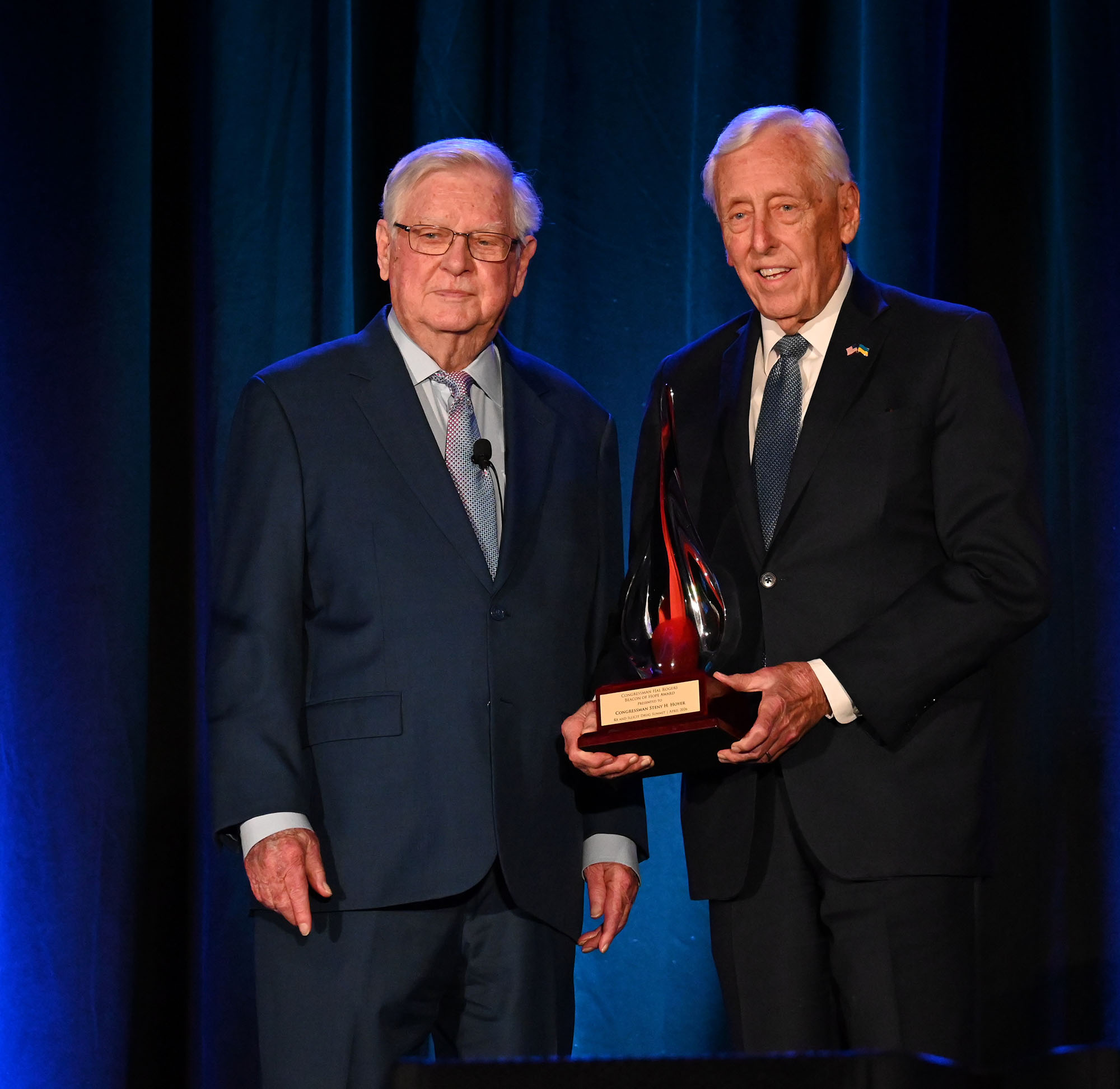
Beacon of Hope Award 2026

Congressman Hal Rogers Beacon of Hope Award

The ongoing effort to combat drug addiction requires a multidisciplinary approach involving stakeholders from all aspects of society. Many leaders have emerged in this movement, and in 2018 the Rx Summit decided to annually recognize a change-maker tackling this epidemic. The inaugural award was presented to Congressman Hal Rogers of Kentucky.

Back to top