
The best conversations in oncology often happen between sessions, and those conversations can shape the future of cancer care.
As someone who has spent my career focused on oncology pathways, value-based care, and multidisciplinary collaboration, I've learned that the most meaningful innovations rarely happen in isolation. They happen when the right people are in the same room, sharing challenges, questioning assumptions, and learning from one another.
That is exactly why I continue to support and participate in Clinical Pathways Congress. While the educational programming is exceptional, what truly sets this meeting apart is the quality of the networking. Clinical Pathways Congress was intentionally designed to bring together the leaders who influence how oncology care is delivered, making it one of the most valuable opportunities each year to build meaningful professional relationships.
Networking With the People Who Shape Oncology Care
Many oncology conferences attract thousands of attendees. While those meetings have tremendous value, it can be difficult to have meaningful conversations with the people making strategic decisions.
Clinical Pathways Congress is different.
The meeting intentionally brings together a focused community of:
- Clinical pathway leaders
- Medical oncologists and hematologists
- Oncology pharmacists
- Health system executives
- Payer and managed care leaders
- Value-based care experts
- Life sciences professionals
- Policy and reimbursement stakeholders
Because the audience is highly curated, nearly every conversation has the potential to become a future collaboration, strategic partnership, or lasting professional connection. Clinical Pathways Congress is intentionally designed to encourage discussion rather than simply lecture attendees.
The Best Ideas Start With Honest Conversations
One of the greatest strengths of Clinical Pathways Congress is that it creates an environment where people can openly discuss real operational challenges.
Whether the topic is pathway governance, AI integration, reimbursement, patient-centered care, or real-world evidence, attendees are not simply hearing presentations. They are exchanging experiences with peers who are solving similar problems every day.
These discussions often continue:
- During networking breaks
- At the Opening Reception
- During meals
- Between educational sessions
- During roundtable conversations
Those informal discussions frequently become just as valuable as the formal education.
How to Get the Most Out of Clinical Pathways Congress
If you're attending Clinical Pathways Congress for the first time, preparation makes a significant difference.
I encourage attendees to:
- Review the agenda before arriving.
- Identify speakers and organizations you would like to meet.
- Attend networking receptions instead of leaving early.
- Introduce yourself to people outside your immediate specialty.
- Follow up with new connections after the meeting.
Some of the strongest professional relationships begin with a simple introduction over coffee.
Why Cross Stakeholder Networking Matters
Today's oncology environment requires collaboration across provider organizations, pharmacy, payer organizations, industry, and health system leadership.
Clinical Pathways Congress creates a rare opportunity for these groups to learn from one another in the same setting. Rather than discussing clinical pathways from a single perspective, attendees gain insight into how decisions affect every stakeholder involved in delivering value-based cancer care.
That broader perspective ultimately benefits patients.
Event Details
Event: Clinical Pathways Congress 2026
Dates: November 10-11, 2026
Location: Four Seasons Hotel Boston, Boston, Massachusetts
Website: https://www.hmpglobalevents.com/cpc
Registration: https://www.hmpglobalevents.com/cpc/register
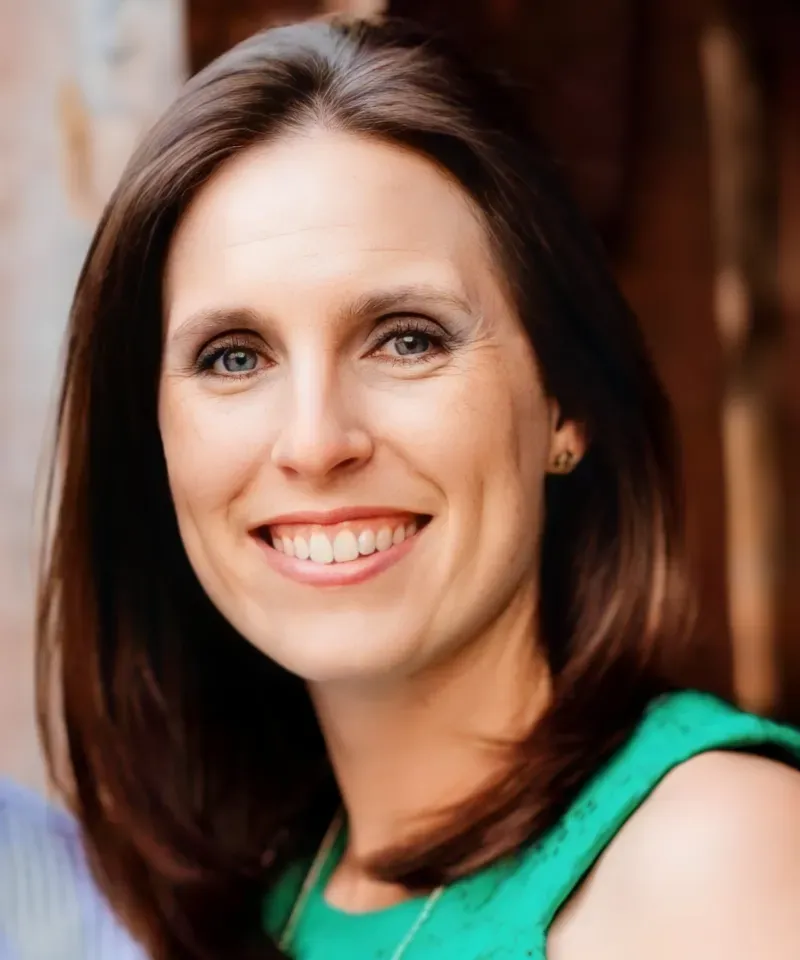
Aimee Ginsburg Chesnick's Clinical Pathways Congress Participation
At the time of publication, Aimee Ginsburg Chesnick serves as a member of the Clinical Pathways Congress 2026 Steering Committee, where she helps shape the educational priorities of Clinical Pathways Congress to ensure the program reflects the most pressing issues in oncology clinical pathways, value-based care, and operational excellence.
About Aimee Ginsburg Chesnick, PharmD, BCPS
Aimee Ginsburg Chesnick, PharmD, BCPS, is a pharmacy leader with more than 15 years of experience advancing oncology clinical quality, pathway execution, and value-based care. She serves on the Clinical Pathways Congress Steering Committee and has held leadership roles at The US Oncology Network/McKesson, while also contributing to the Journal of Clinical Pathways through editorial leadership and publications on pathway adherence and value-based care.