
Meeting People Where They Are: Innovative Delivery Models for Medications for Opioid Use Disorder
90 min
Thursday, May 28, 2026
10:45 AM - 12:15 PM
Session Description: Despite the well-established effectiveness of medications for opioid use disorder (MOUD), access remains limited, particularly among underserved and hard-to-reach populations including individuals experiencing homelessness, recent incarceration, or acute crises. Traditional treatment systems often impose barriers such as long wait times, rigid program requirements, and stigma, leaving many without care during critical windows of need. In response, a new wave of innovative, low-threshold models is emerging across the U.S. to bridge this gap. This presentation will highlight practical, real-world approaches designed to meet people where they are—both geographically and clinically. Examples include EMS and paramedic teams initiating buprenorphine in the field following overdose reversal, jail-based programs that coordinate mobile MOUD vans for induction at the time of release, and emergency departments offering same-day prescribing without requiring formal intake into long-term addiction treatment. Additional models include bridge clinics co-located within hospital settings or syringe service programs, and community outreach teams pairing peer support specialists with prescribers to offer street-based buprenorphine induction. These approaches reduce friction in the care continuum and reflect a shift toward harm reduction-oriented delivery systems. Drawing on recent studies in the published literature, this session will cover outcomes and operational models. Particular attention will be given to how these programs reach underserved populations and navigate regulatory and logistical barriers. Attendees will leave with a clear understanding of scalable models for expanding access to MOUD and how these approaches can be adapted to a variety of clinical and community settings.
-
Presenter
-
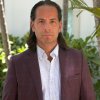 Steven Proctor PhD
-
-
Room
- Flores 1/2