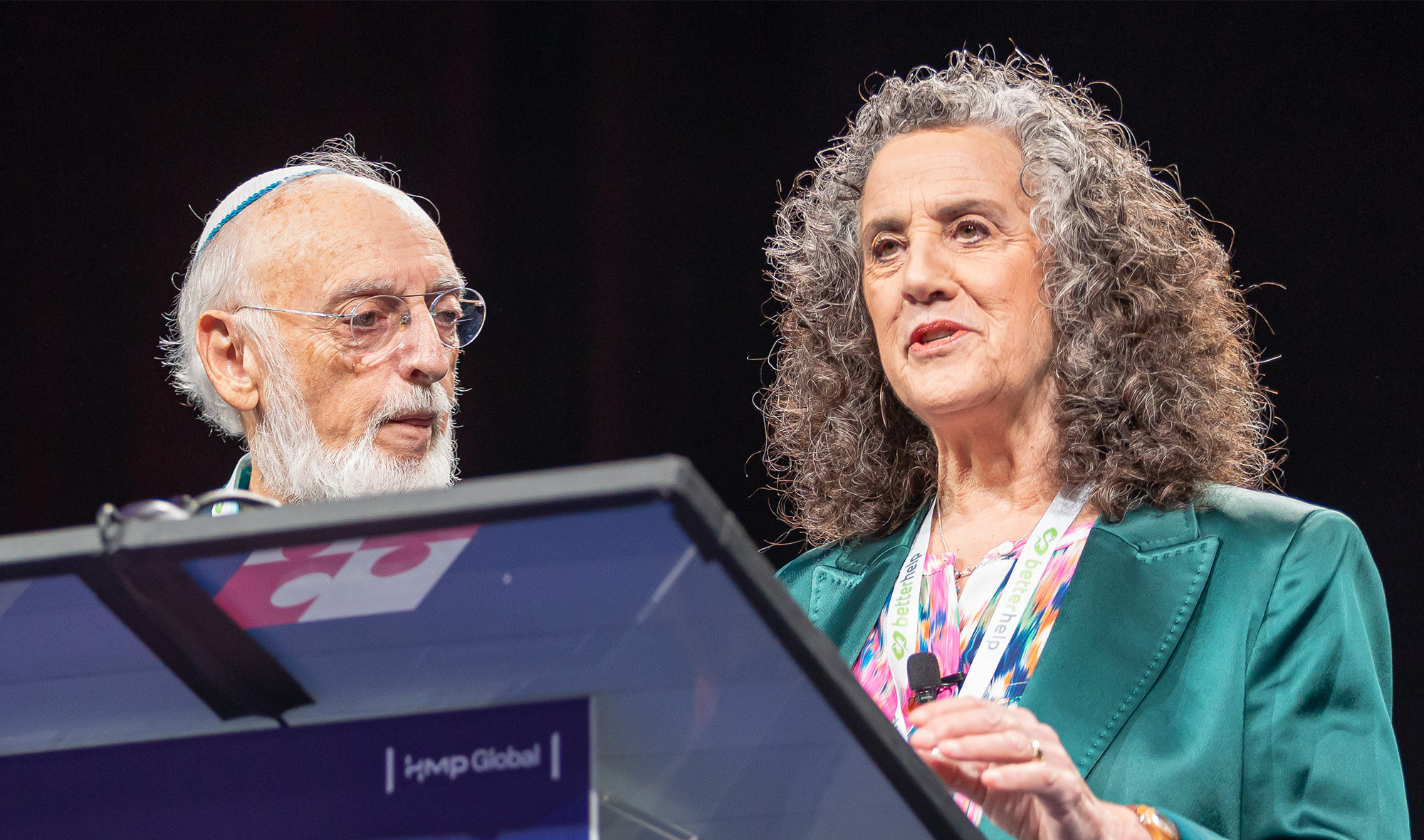
Dr. Julie T. Anné Zeig is a Clinical Psychologist and Eating Disorder and Complex Trauma specialist with more than 33 years of experience. Recognized for her exemplary work in the field of Eating Disorders, Dr. Anné Zeig was invited to join the Faculty of Mayo Clinic School of Medicine in 2018, where she created their course in Eating Disorders, delivered Grand Rounds, and serves as a Consultant, Educator, and Guest Lecturer in the areas of eating disorders and emotion-driven issues of weight.
Dr. Anné Zeig is the Founder and Clinical Director of A New Beginning, LLC, a specialty eating disorder and complex trauma outpatient treatment center in Scottsdale, Arizona.
A thought leader and tireless advocate of more integrated Eating Disorder and Complex Trauma models of treatment, Dr. Anné Zeig created a FULL Recovery Model of Eating Disorder Treatment™ which includes her Strategic - Attachment Repair Therapy (S-ART)™. A Master therapist and innovative educator, Dr. Anné Zeig teaches throughout the world; speaking, consulting and facilitating workshops in: Italy, Germany, Japan, Taiwan, China, Spain, Mexico, Greece, Austria and United States. Dr. Anné Zeig embraces an eclectic approach including: Attachment, Psychodynamic, Existential, Interpersonal, Experiential, Gestalt, Parts Work and Ericksonian techniques.
A media expert, Dr. Anné Zeig's work was featured on E! Network’s “What’s Eating You?” and worked with the cast of abc’s Extreme Makeover: Weight Loss Edition. Currently, Dr. Julie can be found inspiring viewers on her tv segment, “Healthy from the Inside-Out” on Good Morning Arizona.
Trainings & Information: aNewBeginning.com and DrJulieAnneZeig.com