
Transforming Education into Impact

Filters

Experience

Fri Dec 4

12:00 - 12:30 PM (EDT)

Alzheimer’s Disease: Definition, Diagnostic Frameworks, and a Century of Discovery

This session provides a foundational overview of Alzheimer’s disease (AD), tracing its evolution from Alois Alzheimer’s original case description to modern biologically defined frameworks. Participants will examine how conceptualizations of AD have shifted—from a purely clinical syndrome to a continuum defined by underlying pathology—and how this evolution informs current diagnostic criteria and clinical practice.

Presenter

Friday, December 04 12:00–12:30 PM
Room Windsong 2-4
Co-Chairs

Marc Agronin

MD
Chief Medical Officer, MIND Institute and Behavioral Health
Miami Jewish Health

Marc E. Agronin, MD, is a board-certified adult and geriatric psychiatrist and currently works as the Chief Medical Officer for the Frank C. and Lynn Scaduto MIND Institute and for Behavioral Health at Miami Jewish Health. He is an Affiliate Associate Professor of Psychiatry and Neurology at the University of Miami Miller School of Medicine. Dr. Agronin is a graduate of Harvard University, summa cum laude, and the Yale School of Medicine. He completed his residency training in adult psychiatry at Harvard University's McLean Hospital and then a geriatric psychiatry fellowship at the Minneapolis VA Medical Center. Dr. Agronin is the 2008 recipient of the "Clinician of the Year" award from the American Association for Geriatric Psychiatry (AAGP) and is a Distinguished Fellow of the American Psychiatric Association and the AAGP. Dr. Agronin is a national expert in Alzheimer's disease and geriatric mental health, and is the author of the acclaimed books "How We Age: A Doctor's Journey into the Heart of Growing Old" (2011) and "The End of Old Age: Living a Longer, More Purposeful Life" (2018). Dr. Agronin has written nine other books and hundreds of articles, including "The Dementia Caregiver: A Guide to Caring for Someone with Alzheimer's Disease and Other Neurocognitive Disorders" (2015). He has been published in The New York Times and writes regular articles on aging, health and retirement issues for The Wall Street Journal.

Co-Chairs

W. Clay Jackson

MD, DipTh
Assistant Professor of Clinical Psychiatry and Family Medicine, University of Tennessee College of Medicine
University of TN College of Medicine

W. Clay Jackson, MD, DipTh, is a Clinical Assistant Professor of Family Medicine and Psychiatry at the University of Tennessee College of Medicine in Memphis, Tennessee, where he maintains a private practice in family medicine, and directs the palliative medicine program at the West Cancer Center. Dr. Jackson also serves as a faculty in the Division of Palliative Medicine at the University of Tennessee College of Medicine. From this professional platform, he leads multiple teams of dedicated clinicians who have helped to transform the experience of seriously ill patients in the Mid-South. Dr. Jackson earned his Bachelor of Science degree in Biology and Chemistry at Union University in Jackson, Tennessee, and his Diploma in Theology at Oxford University in England. He has served as the President of the Academy of Integrative Pain Management, is a Fellow of the American Academy of Family Physicians, holds a Certificate of Added Qualification in Hospice and Palliative Medicine, and is a member of the Alpha Omega Alpha Medical Honor Society. Dr. Jackson has been the recipient of numerous clinical and teaching awards, and is widely published. A frequently invited speaker at national and international professional meetings, he has also been featured in several multimedia projects concerning the treatment of affective disorders and chronic pain. Outside medicine, his interests include an active outdoor lifestyle, literature, and theology. His most fulfilling role, without a doubt, is being a dad and a husband. Dr. Jackson believes in Memphis as a place where grit meets grace.

Co-Chairs

Marwan Sabbagh

MD, FAAN, FANA
Moreno Family Chair for Alzheimer's Research, Vice Chairman for Research and Professor, Department of Neurology
Barrow Neurological Institute

Marwan N. Sabbagh, MD, is a behavioral neurologist and the Moreno Family Chair for Alzheimer’s Research in the Alzheimer’s and Memory Disorders Program at Barrow Neurological Institute. He is also a professor and the Vice Chair of Research in the Institute’s Department of Neurology. He is board certified in neurology by the American Board of Psychiatry and Neurology.

Dr. Sabbagh’s expertise includes the diagnosis and treatment of Alzheimer’s disease and other memory disorders. He is a fellow of the American Academy of Neurology.

Dr. Sabbagh earned his medical degree from the University of Arizona College of Medicine in Tucson and his undergraduate degree from the University of California—Berkeley. He completed his neurology residency at Baylor College of Medicine in Houston, Texas, and a geriatric neurology and dementia fellowship at the University of California San Diego School of Medicine.

Dr. Sabbagh is a leading investigator of many prominent national Alzheimer’s prevention and treatment clinical trials. He serves on the editorial boards of the Journal of Alzheimer’s Disease and Alzheimer’s and Dementia: Translational Research & Clinical Interventions. He is the editor-in-chief of Neurology and Therapy. Dr. Sabbagh is a prolific author who has written and edited books on Alzheimer’s disease and has contributed to hundreds of medical and scientific articles.

1:00 - 2:00 PM (EDT)

Lunch Innovation Theater (Non-Accredited): Learn about a Treatment for Agitation Associated with Dementia due to Alzheimer's Disease

Lunch will be served. Seating is limited to 150 attendees and will be available on a first-come, first-served basis. Please plan to arrive early to ensure a seat. No CE credits are offered at these programs. Presenter(s): Marc Agronin, MD; Marwan Noel Sabbagh MD, FAAN, FANA This presentation is sponsored by Axsome Therapeutics, Inc.
Friday, December 04 1:00–2:00 PM
Room Windsong 2-4

2:00 - 2:30 PM (EDT)

Networking Session (Non-Accredited)

Friday, December 04 2:00–2:30 PM
Room Windsong 5-6

2:30 - 3:30 PM (EDT)

Beyond Alzheimer’s: Navigating the Spectrum of Dementia

While Alzheimer’s disease remains the most recognized cause of cognitive decline, clinicians increasingly encounter patients whose symptoms reflect a broader spectrum of neurodegenerative, vascular, and mixed dementias. Accurate differentiation among dementia subtypes is essential for timely diagnosis, management, counseling, and optimization of patient and caregiver outcomes. This session will provide an evidence-based overview of the major dementia syndromes beyond Alzheimer’s disease. Through discussion of clinical presentations, diagnostic considerations, biomarkers, neuroimaging findings, and management strategies, participants will gain practical tools to recognize distinguishing features and navigate the complexities of dementia care across diverse patient populations.

Presenter

Friday, December 04 2:30–3:30 PM
Room Windsong 2-4
Faculty

David Irwin

MD
Associate Professor
University of Pennsylvania

Dr. Irwin is a physician-scientist who completed undergraduate education at Drew University and medical school at Drexel College of Medicine in Philadelphia, where he also completed neurology residency as chief resident. He had postdoctoral training in neurodegeneration at Penn, where he also had clinical training in cognitive and behavioral neurology. He has the unique perspective of performing both detailed longitudinal clinical assessments in natural history studies, as well as postmortem examination of human brain tissue, in many of the same individual patients. Dr. Irwin co-directs the Penn Frontotemporal Degeneration Center and LBDA Research Center of Excellence at Penn. Dr. Irwin’s lab combines novel image analysis approaches with gold-standard histopathology and molecular techniques to integrate measures of postmortem neuropathology with antemortem biomarker data. The overall goal of this approach is to identify therapeutic targets and markers of disease progression that can serve as endpoints in treatment trials.

3:40 - 4:40 PM (EDT)

Risk Reduction in Alzheimer’s Disease: From Population Health to Precision Prevention

Emerging evidence suggests that modifiable risk factors play a significant role in the development of Alzheimer’s disease. This session explores strategies for risk reduction across the lifespan, from public health interventions to individualized, precision-based approaches incorporating genetics, comorbidities, and lifestyle factors.

Presenter

Friday, December 04 3:40–4:40 PM
Room Windsong 2-4
Co-Chairs

Marc Agronin

MD
Chief Medical Officer, MIND Institute and Behavioral Health
Miami Jewish Health

Marc E. Agronin, MD, is a board-certified adult and geriatric psychiatrist and currently works as the Chief Medical Officer for the Frank C. and Lynn Scaduto MIND Institute and for Behavioral Health at Miami Jewish Health. He is an Affiliate Associate Professor of Psychiatry and Neurology at the University of Miami Miller School of Medicine. Dr. Agronin is a graduate of Harvard University, summa cum laude, and the Yale School of Medicine. He completed his residency training in adult psychiatry at Harvard University's McLean Hospital and then a geriatric psychiatry fellowship at the Minneapolis VA Medical Center. Dr. Agronin is the 2008 recipient of the "Clinician of the Year" award from the American Association for Geriatric Psychiatry (AAGP) and is a Distinguished Fellow of the American Psychiatric Association and the AAGP. Dr. Agronin is a national expert in Alzheimer's disease and geriatric mental health, and is the author of the acclaimed books "How We Age: A Doctor's Journey into the Heart of Growing Old" (2011) and "The End of Old Age: Living a Longer, More Purposeful Life" (2018). Dr. Agronin has written nine other books and hundreds of articles, including "The Dementia Caregiver: A Guide to Caring for Someone with Alzheimer's Disease and Other Neurocognitive Disorders" (2015). He has been published in The New York Times and writes regular articles on aging, health and retirement issues for The Wall Street Journal.

4:40 - 5:40 PM (EDT)

Exhibit Hall Reception (Non-Accredited)

Join your peers in the Exhibit Hall to engage and learn about available pharmaceuticals and devices for your practice. Hors d’oeuvres and beverages available.
Friday, December 04 4:40–5:40 PM
Room Windsong 5-6

Sat Dec 5

7:40 - 8:50 AM (EDT)

Breakfast Innovation Theater (Non-Accredited): Addressing Psychosis and Agitation in Alzheimer's Disease: Recognition and Clinical Considerations

Breakfast will be served. Seating is limited to 150 attendees and will be available on a first-come, first-served basis. Please plan to arrive early to ensure a seat. No CE credits are offered at these programs. Presenter(s): Rosemary Laird, MD, MHSA, AGSF This presentation is sponsored by Bristol Myers Squibb.
Saturday, December 05 7:40–8:50 AM
Room Windsong 2-4

8:50 - 9:20 AM (EDT)

Exhibit Hall Break (Non-Accredited)

Saturday, December 05 8:50–9:20 AM
Room Windsong 5-6

9:20 - 10:20 AM (EDT)

Diagnosing Alzheimer’s Disease in 2026: From Clinical Criteria to Biomarker Confirmation

Diagnosis of Alzheimer’s disease is rapidly evolving with the integration of biomarkers into clinical workflows. This session reviews current diagnostic criteria and examines how biomarker confirmation is reshaping early and accurate diagnosis across care settings.

Presenter

Saturday, December 05 9:20–10:20 AM
Room Windsong 2-4
Co-Chairs

Marwan Sabbagh

MD, FAAN, FANA
Moreno Family Chair for Alzheimer's Research, Vice Chairman for Research and Professor, Department of Neurology
Barrow Neurological Institute

Marwan N. Sabbagh, MD, is a behavioral neurologist and the Moreno Family Chair for Alzheimer’s Research in the Alzheimer’s and Memory Disorders Program at Barrow Neurological Institute. He is also a professor and the Vice Chair of Research in the Institute’s Department of Neurology. He is board certified in neurology by the American Board of Psychiatry and Neurology.

Dr. Sabbagh’s expertise includes the diagnosis and treatment of Alzheimer’s disease and other memory disorders. He is a fellow of the American Academy of Neurology.

Dr. Sabbagh earned his medical degree from the University of Arizona College of Medicine in Tucson and his undergraduate degree from the University of California—Berkeley. He completed his neurology residency at Baylor College of Medicine in Houston, Texas, and a geriatric neurology and dementia fellowship at the University of California San Diego School of Medicine.

Dr. Sabbagh is a leading investigator of many prominent national Alzheimer’s prevention and treatment clinical trials. He serves on the editorial boards of the Journal of Alzheimer’s Disease and Alzheimer’s and Dementia: Translational Research & Clinical Interventions. He is the editor-in-chief of Neurology and Therapy. Dr. Sabbagh is a prolific author who has written and edited books on Alzheimer’s disease and has contributed to hundreds of medical and scientific articles.

10:30 - 11:30 AM (EDT)

Biomarkers in Alzheimer’s Disease: CSF, PET and Blood-Based Testing

Biomarkers are transforming the diagnosis and management of Alzheimer’s disease. This session provides a comparative overview of cerebrospinal fluid (CSF), PET imaging, and emerging blood-based biomarkers, highlighting their clinical utility, limitations, and future applications.

Presenter

Saturday, December 05 10:30–11:30 AM
Room Windsong 2-4
Faculty

Suzanne Schindler

MD, PHD
Professor of Neurology
Washington University

Professor Suzanne E. Schindler, M.D., Ph.D., is a clinical neurologist and neuroscientist dedicated to advancing the diagnosis and treatment of Alzheimer’s disease. She cares for patients with memory concerns at the Washington University Memory Diagnostic Center, where she also coordinates the collection and analysis of real-world data on Alzheimer’s biomarkers and amyloid-targeted therapies. Dr. Schindler leads the Fluid Biomarker Core of the Knight Alzheimer’s Disease Research Center and has facilitated numerous collaborative studies, including those that developed and validated some of the first clinically available blood tests for Alzheimer’s disease pathology. She has evaluated the generalizability of AD biomarkers across diverse groups, led head-to-head comparisons of Alzheimer’s blood tests, studied the timing of key events in the disease, and co-led the creation of consensus recommendations for the performance of clinical Alzheimer’s blood tests. An active educator, she trains clinicians on integrating Alzheimer’s biomarkers into their evaluation of patients with cognitive impairment.

11:40 - 12:40 PM (EDT)

Disease Modifying Therapies in Alzheimer's Disease: Current Evidence and Clinical Considerations

Disease-modifying therapies represent a paradigm shift in Alzheimer’s care. This session reviews current evidence supporting these therapies, including mechanisms of action, clinical trial data, and real-world considerations such as patient selection, safety monitoring, and health system readiness.

Speaker

Saturday, December 05 11:40–12:40 PM
Room Windsong 2-4
Faculty

George Grossberg

MD
Henry & Amelia Nasrallah Professor, Director, Division of Geriatric Psychiatry, Department of Psychiatry & Behavioral Neuroscience ,St. Louis University School of Medicine, St. Louis, Missouri
St Louis University School of Medicine

George T. Grossberg, MD, completed his medical degree at St. Louis University School of Medicine in Missouri and residency at St. Louis University Department of Psychiatry.

A Distinguished Fellow of the American Psychiatric Association, Dr. Grossberg started the first Geriatric Psychiatry program in Missouri, and the first Alzheimer’s Disease Community Brain Bank. He is Past President of the American Association for Geriatric Psychiatry and International Psychogeriatric Association. He has been a leader in developing mental health programs and in treatment and research in geriatrics. Among his many awards, Dr. Grossberg received the IPA Award and the Fleishman-Hillard Award for career contributions to geriatrics. He appears regularly in America’s Top Psychiatrists (2008–2024), America’s Top Doctors (2006–2024), Best Doctors in America, and Best Doctors in St. Louis.In 2023, Dr Grossberg was named the Inaugural Henry & Amelia Nasrallah Endowed Professor in Geriatric Psychiatry at St Louis University School of Medicine.

Dr. Grossberg has edited or authored 17 textbooks and published over 600 articles, chapters, and abstracts. In 2007, he published The Essential Herb-Drug-Vitamin Interaction Guide and in 2010, Psychiatric Consultation In Long-Term Care.He is on the editorial boards of International Journal of Alzheimer’s Disease, Drugs and Aging, Journal of Alzheimer’s Disease and Parkinson’s, Journal of the American Medical Directors Association. He is a consultant in the development of protocols for central nervous system disorders in older patients, and is involved in basic as well as clinical research projects in the area of dementing disorders, with a focus on behavioral disturbances in dementia.

1:10 - 2:10 PM (EDT)

Lunch Innovation Theater (Non-Accredited): Agitation Associated With Dementia Due to Alzheimer’s Disease: Impact and Symptom Identification In a Community Setting

Lunch will be served. Seating is limited to 150 attendees and will be available on a first-come, first-served basis. Please plan to arrive early to ensure a seat. No CE credits are offered at these programs. Presenter(s): George T. Grossberg, MD; Jeff Gelblum, MD, FAAN This presentation is sponsored by Otsuka America Pharmaceutical, Inc. and Lundbeck
Saturday, December 05 1:10–2:10 PM
Room Windsong 2-4

2:10 - 2:40 PM (EDT)

Exhibit Hall Break (Non-Accredited)

Saturday, December 05 2:10–2:40 PM
Room Windsong 5-6

2:40 - 3:40 PM (EDT)

New Mechanisms, New Possibilities: Novel Approaches to Neuropsychiatric Symptoms in Alzheimer's Disease

Agitation and psychosis in Alzheimer’s disease present complex clinical challenges, affecting cognition, daily function, and quality of life. This masterclass will explore the neurobiology underlying these symptoms and the rationale for novel therapeutic targets, including NMDA receptors, sigma-1 receptors, muscarinic pathways, and endocannabinoid signaling. Faculty will examine how these approaches differ from conventional dopamine-blocking therapies and evaluate current and emerging pharmacologic strategies, with attention to mechanisms of action, clinical evidence, and safety considerations. Through this discussion, learners will strengthen their ability to recognize neuropsychiatric symptoms and assess evolving treatment approaches to support individualized care.

Supported by independent educational grant from Bristol-Myers Squibb.

Speaker

Saturday, December 05 2:40–3:40 PM
Room Windsong 2-4
Faculty

Rakesh Jain

MD, MPH
Clinical Professor
Texas Tech - Permian Basin

Rakesh Jain, MD, MPH, attended medical school at the University of Calcutta in India. He then attended graduate school at the University of Texas School of Public Health in Houston, where he was awarded a “National Institute/Center for Disease Control Competitive Traineeship”. His research thesis focused on impact of substance abuse. He graduated from the School of Public Health in 1987 with a Masters of Public Health (MPH) degree.

Dr. Jain served a three-year residency in Psychiatry at the Department of Psychiatry and Behavioral Sciences at the University of Texas Medical School at Houston. He followed that by obtaining further specialty training, by undergoing a two-year fellowship in Child and Adolescent Psychiatry. In addition, Dr. Jain completed a postdoctoral fellowship in Research Psychiatry at the University of Texas Mental Sciences Institute, in Houston. He was awarded the “National Research Service Award” for the support of this postdoctoral fellowship.

Co-Chairs

Marwan Sabbagh

MD, FAAN, FANA
Moreno Family Chair for Alzheimer's Research, Vice Chairman for Research and Professor, Department of Neurology
Barrow Neurological Institute

Marwan N. Sabbagh, MD, is a behavioral neurologist and the Moreno Family Chair for Alzheimer’s Research in the Alzheimer’s and Memory Disorders Program at Barrow Neurological Institute. He is also a professor and the Vice Chair of Research in the Institute’s Department of Neurology. He is board certified in neurology by the American Board of Psychiatry and Neurology.

Dr. Sabbagh’s expertise includes the diagnosis and treatment of Alzheimer’s disease and other memory disorders. He is a fellow of the American Academy of Neurology.

Dr. Sabbagh earned his medical degree from the University of Arizona College of Medicine in Tucson and his undergraduate degree from the University of California—Berkeley. He completed his neurology residency at Baylor College of Medicine in Houston, Texas, and a geriatric neurology and dementia fellowship at the University of California San Diego School of Medicine.

Dr. Sabbagh is a leading investigator of many prominent national Alzheimer’s prevention and treatment clinical trials. He serves on the editorial boards of the Journal of Alzheimer’s Disease and Alzheimer’s and Dementia: Translational Research & Clinical Interventions. He is the editor-in-chief of Neurology and Therapy. Dr. Sabbagh is a prolific author who has written and edited books on Alzheimer’s disease and has contributed to hundreds of medical and scientific articles.

3:50 - 4:50 PM (EDT)

All Hands on Deck: A Multidisciplinary Approach to Alzheimer’s Treatment

Optimal Alzheimer’s care requires coordination across specialties and care settings. This session highlights the roles of neurologists, psychiatrists, primary care clinicians, nurses, social workers, and caregivers in delivering comprehensive, patient-centered care.

Presenter

Saturday, December 05 3:50–4:50 PM
Room Windsong 2-4
Faculty

Rosemary Laird

MD
Chief Medical Officer
My Memory Clinic

Rosemary Laird, M.D., M.H.S.A is the Chief Medical Officer at My Memory Clinic and also serves as a Principal Investigator for ClinCloud Clinical Trials in Melbourne, Florida. She is also the founder of the family caregiver support company, NAN Navigator, Inc.

Dr. Laird received her medical degree with honors from Georgetown University School of Medicine in 1991. She completed an Internal Medicine residency and Geriatric Fellowship.

She is a recognized expert in diagnosing and caring for patients with Alzheimer’s disease and spent 20 years as the Medical Director for two state-designated Memory Disorder Clinics in Florida. In 2019, the governor of Florida appointed her to serve on the state’s Alzheimer’s Disease Advisory Committee. She is a sought-after speaker and educator and was named the American Geriatrics Society’s Geriatrician of the Year in 2013.

Sun Dec 6

7:40 - 8:50 AM (EDT)

Breakfast Innovation Theater (Non-Accredited): Kisunla (donanemab-azbt): Expert Discussions for Clinical Approaches

Breakfast will be served. Seating is limited to 150 attendees and will be available on a first-come, first-served basis. Please plan to arrive early to ensure a seat. No CE credits are offered at these programs. Speaker(s): Dr. Ira Goodman, MD This presentation is sponsored by Eli Lilly and Company.
Sunday, December 06 7:40–8:50 AM
Room Windsong 2-4

8:50 - 9:20 AM (EDT)

Exhibit Hall Break (Non-Accredited)

Sunday, December 06 8:50–9:20 AM
Room Windsong 5-6

9:20 - 10:20 AM (EDT)

Planning for Progression: Long-Term Care Strategies in Dementia

Dementia is a progressive condition that requires proactive, longitudinal care planning across clinical, psychosocial, and systems-based domains. This session will equip clinicians with practical strategies to anticipate disease progression, align care with patient and caregiver goals, and coordinate services across the continuum of care. Through a case-informed approach, participants will explore best practices in early and ongoing care planning, including advance care discussions, risk mitigation, behavioral symptom management, caregiver support, and transitions to higher levels of care. Emphasis will be placed on interdisciplinary collaboration among psychiatry, primary care, neurology, and allied health professionals to optimize outcomes and quality of life for patients living with dementia.

Presenter

Sunday, December 06 9:20–10:20 AM
Room Windsong 2-4
Faculty

Carolyn Clevenger

DNP, GNP-BC
Dean of Nursing
University of Georgia

Carolyn Clevenger is the Founder of the Integrated Memory Care model. The IMC is a nurse-led primary care practice for people living with dementia with an outpatient clinic and senior living community practice across metro Atlanta. The new model of care has been recognized as a Patient-Centered Medical Home, an Age Friendly Health System participant, a Best Program for Caregiving, a Best Practice Exemplar for patient- and family-centered care, and an Edge Runner. The practices boasts the extraordinarily high patient experience scores and significantly reduces the risk of hospitalizations for people living with dementia.

Dr. Clevenger's research portfolio includes psychoeducational programs to improve mastery among dementia family caregivers and the geriatric healthcare workforce. She earned her BSN from West Virginia University, her MSN from Emory University, and her DNP from the Medical College of Georgia. She completed her postdoctoral fellowship at the Department of Veterans’ Affairs.

10:30 - 11:30 AM (EDT)

Bringing It All Together: Complex Cases across the Continuum

Through interactive case discussions, this session synthesizes key concepts across the Alzheimer’s disease continuum. Participants will engage in clinical decision-making around diagnosis, treatment, and management of complex and atypical cases.

Presenter

Sunday, December 06 10:30–11:30 AM
Room Windsong 2-4
Co-Chairs

W. Clay Jackson

MD, DipTh
Assistant Professor of Clinical Psychiatry and Family Medicine, University of Tennessee College of Medicine
University of TN College of Medicine

W. Clay Jackson, MD, DipTh, is a Clinical Assistant Professor of Family Medicine and Psychiatry at the University of Tennessee College of Medicine in Memphis, Tennessee, where he maintains a private practice in family medicine, and directs the palliative medicine program at the West Cancer Center. Dr. Jackson also serves as a faculty in the Division of Palliative Medicine at the University of Tennessee College of Medicine. From this professional platform, he leads multiple teams of dedicated clinicians who have helped to transform the experience of seriously ill patients in the Mid-South. Dr. Jackson earned his Bachelor of Science degree in Biology and Chemistry at Union University in Jackson, Tennessee, and his Diploma in Theology at Oxford University in England. He has served as the President of the Academy of Integrative Pain Management, is a Fellow of the American Academy of Family Physicians, holds a Certificate of Added Qualification in Hospice and Palliative Medicine, and is a member of the Alpha Omega Alpha Medical Honor Society. Dr. Jackson has been the recipient of numerous clinical and teaching awards, and is widely published. A frequently invited speaker at national and international professional meetings, he has also been featured in several multimedia projects concerning the treatment of affective disorders and chronic pain. Outside medicine, his interests include an active outdoor lifestyle, literature, and theology. His most fulfilling role, without a doubt, is being a dad and a husband. Dr. Jackson believes in Memphis as a place where grit meets grace.

11:30 - 12:00 PM (EDT)

Exhibit Hall (Non-Accredited)

Sunday, December 06 11:30–12:00 PM
Room Windsong 5-6

12:00 - 1:00 PM (EDT)

The Future of Alzheimer's Care: What Will Clinical Practice Look like in 5 Years?

Rapid advances in diagnostics, therapeutics, and care delivery are reshaping the future of Alzheimer’s disease management. This forward-looking session explores emerging innovations, including novel therapeutics, digital tools, and evolving care models.

Presenter

Sunday, December 06 12:00–1:00 PM
Room Windsong 2-4
Co-Chairs

Marc Agronin

MD
Chief Medical Officer, MIND Institute and Behavioral Health
Miami Jewish Health

Marc E. Agronin, MD, is a board-certified adult and geriatric psychiatrist and currently works as the Chief Medical Officer for the Frank C. and Lynn Scaduto MIND Institute and for Behavioral Health at Miami Jewish Health. He is an Affiliate Associate Professor of Psychiatry and Neurology at the University of Miami Miller School of Medicine. Dr. Agronin is a graduate of Harvard University, summa cum laude, and the Yale School of Medicine. He completed his residency training in adult psychiatry at Harvard University's McLean Hospital and then a geriatric psychiatry fellowship at the Minneapolis VA Medical Center. Dr. Agronin is the 2008 recipient of the "Clinician of the Year" award from the American Association for Geriatric Psychiatry (AAGP) and is a Distinguished Fellow of the American Psychiatric Association and the AAGP. Dr. Agronin is a national expert in Alzheimer's disease and geriatric mental health, and is the author of the acclaimed books "How We Age: A Doctor's Journey into the Heart of Growing Old" (2011) and "The End of Old Age: Living a Longer, More Purposeful Life" (2018). Dr. Agronin has written nine other books and hundreds of articles, including "The Dementia Caregiver: A Guide to Caring for Someone with Alzheimer's Disease and Other Neurocognitive Disorders" (2015). He has been published in The New York Times and writes regular articles on aging, health and retirement issues for The Wall Street Journal.

Co-Chairs

Marwan Sabbagh

MD, FAAN, FANA
Moreno Family Chair for Alzheimer's Research, Vice Chairman for Research and Professor, Department of Neurology
Barrow Neurological Institute

Marwan N. Sabbagh, MD, is a behavioral neurologist and the Moreno Family Chair for Alzheimer’s Research in the Alzheimer’s and Memory Disorders Program at Barrow Neurological Institute. He is also a professor and the Vice Chair of Research in the Institute’s Department of Neurology. He is board certified in neurology by the American Board of Psychiatry and Neurology.

Dr. Sabbagh’s expertise includes the diagnosis and treatment of Alzheimer’s disease and other memory disorders. He is a fellow of the American Academy of Neurology.

Dr. Sabbagh earned his medical degree from the University of Arizona College of Medicine in Tucson and his undergraduate degree from the University of California—Berkeley. He completed his neurology residency at Baylor College of Medicine in Houston, Texas, and a geriatric neurology and dementia fellowship at the University of California San Diego School of Medicine.

Dr. Sabbagh is a leading investigator of many prominent national Alzheimer’s prevention and treatment clinical trials. He serves on the editorial boards of the Journal of Alzheimer’s Disease and Alzheimer’s and Dementia: Translational Research & Clinical Interventions. He is the editor-in-chief of Neurology and Therapy. Dr. Sabbagh is a prolific author who has written and edited books on Alzheimer’s disease and has contributed to hundreds of medical and scientific articles.

Speakers

Agenda Highlights

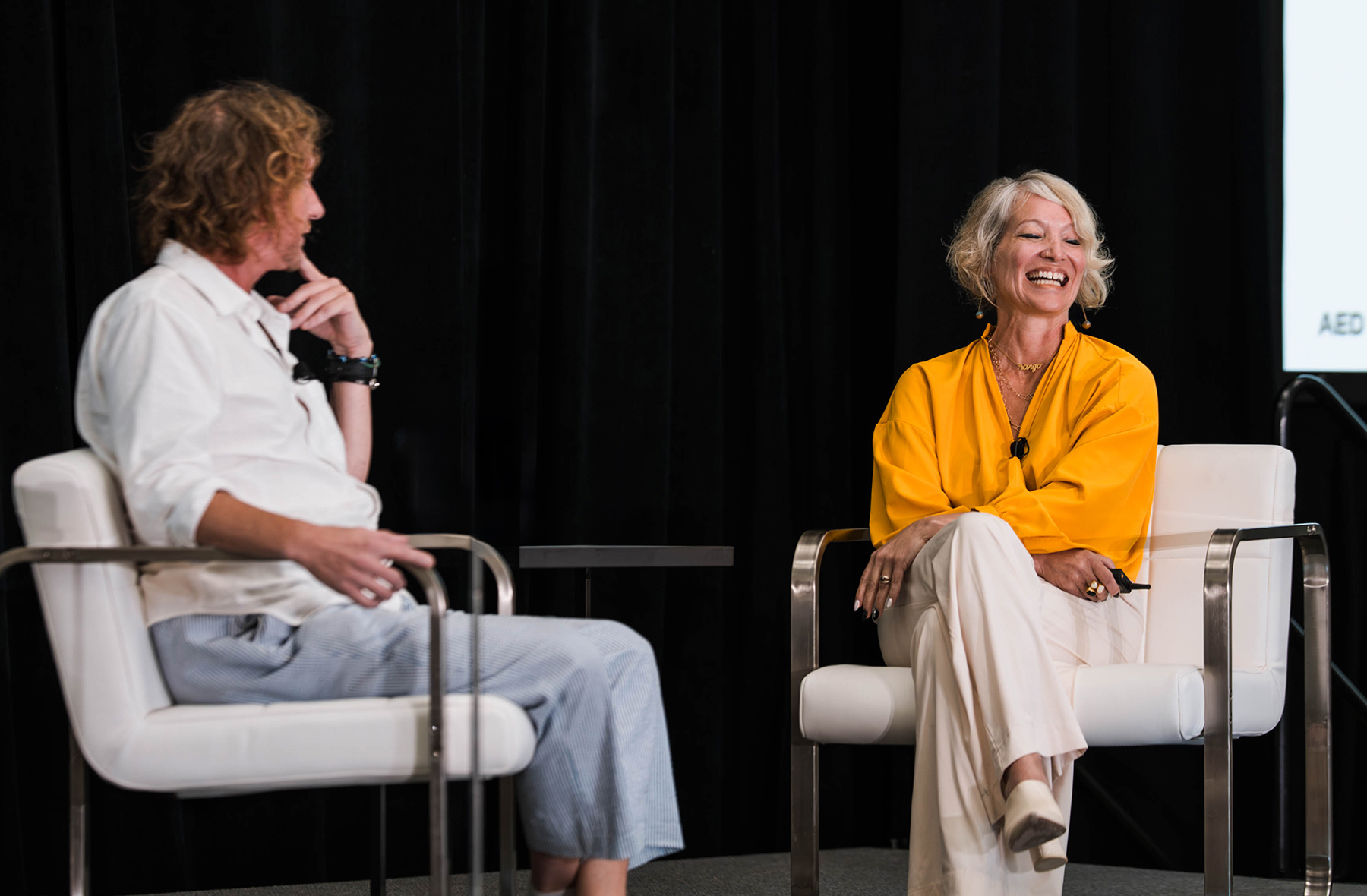
ADCD features timely, practice-focused education on Alzheimer's disease and related cognitive disorders. Past topics have included early diagnosis, biomarkers, emerging therapies, neuropsychiatric symptom management, prevention strategies, caregiver support, and real-world case-based care.

Crowd

CE Information

The Alzheimer's Disease & Cognitive Disorders Symposium is designed for healthcare professionals involved in the care of patients with neurologic and cognitive disorders, including neurologists , psychiatrists, primary care providers, geriatricians, nurse practitioners, physician associates, and nurses.

Back to top