
2026 Faculty - 2027 TBA
2026 Faculty - 2027 TBA
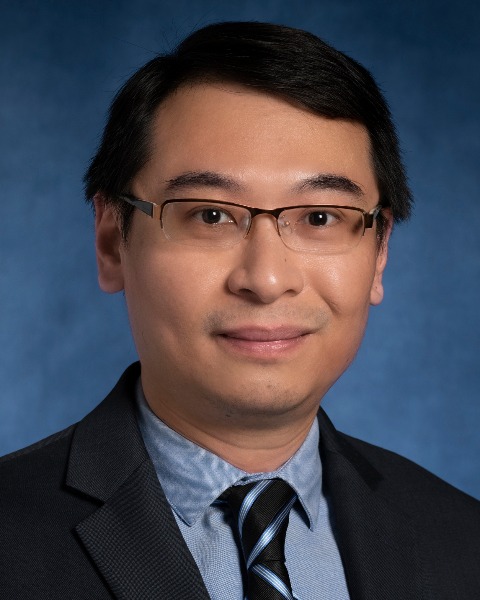
Qing Lin, MD, PhD, is an Associate Professor in the Department of Surgery, Division of Cardiac Surgery, and the Department of Ophthalmology and Visual Sciences at The Ohio State University College of Medicine. He is an immunologist whose research focuses on elucidating the mechanisms of wound healing in the skin, eye, and lung.
Dr. Lin’s research interests include skin wound repair and scarring, pathological ocular angiogenesis, and pulmonary vascular remodeling. His work has been supported by the National Institutes of Health and the American Heart Association. His laboratory investigates how innate immune responses regulate tissue repair following injury.
A central focus of Dr. Lin’s research is damage-associated molecular pattern (DAMP) signaling in injury-induced inflammation and tissue remodeling. In wounded skin, his work was the first to demonstrate that activation of Toll-like receptor 3 (TLR3) signaling enhances wound repair and that the TLR3 agonist poly(I:C) has potential therapeutic value for improving human wound healing. In corneal burn injury models, his studies were the first to show that the DAMP molecule HMGB1 initiates TLR4-dependent inflammatory responses that drive pathological angiogenesis in vivo. In the injured lung, his work revealed a critical role for HMGB1 signaling in pulmonary vascular remodeling and the development of pulmonary arterial hypertension.
The long-term goal of Dr. Lin’s research program is to define how dysregulated innate immune signaling contributes to uncontrolled proliferation and pathological outcomes after tissue injury, and to develop immunotherapeutic strategies that promote regenerative wound healing and prevent fibrosis.